
Israel Archaeology: Volunteer On An Excavation In 2026

Wondering how you can volunteer on an excavation in Israel in 2026? This post is going to talk about where and how to be an Israel archaeology volunteer, what to expect, and more. Some dig dates are TBA because of the current war, but most have opened registration since Israel is generally safe for travel, so read on to see which ones you can apply for right now!
Why listen to me? I’ve participated in around 11 excavations in Israel, and I have a Masters in Archaeology from Tel Aviv University. I also did an internship with the Israel Nature and Parks Authority where I photographed archaeological sites in Northern Israel for conservation.
Israel archaeology volunteering is easier than you might think, and there are tons of options for time involved, location, cost and more, so read on to make your next trip an archaeological vacation!
So, what is an archaeological excavation really like? How does one go about becoming Indiana Jones? I have a secret for you – Indiana Jones was just an explorer (he wasn’t actually doing archaeology). So, good news – anyone can get involved with archaeology!

Planning Your Israel Trip? Use my favorite resources:
Accommodation: Booking.com
Rent a Car: Discover Cars
Travel Insurance: Allianz
Flights: WayAway
Tours: Viator.com
Airport Transfers: KiwiTaxi

Archaeology volunteering opportunities in Israel in 2026

⛏️ Israel archaeology volunteering anytime of the year, any year:
- Dig for a Day at Beit Guvrin National Park – IAA (3 hours, small entrance fee)
- Temple Mount Sifting Project – Jerusalem (2 hours, fee – see increased fee notice (due to the war) on their site here)
- Volunteer with the Israel Antiquities Authority
⛏️ Summer digs in 2026 open for Israel archaeology volunteers:
Check each link for up-to-date info like cost, dates and application information!
Note: Some of these excavations are on pause, but I’m leaving the links so you can contact to ask questions if you’d like!
- Megiddo – Tel Aviv University
- Tel Hadid – Tel Aviv University
- Shiloh – Associates for Biblical Research
- City of David – VFI Archaeology Program
- En-Gedi – Archaeological Institute of America
- Hippos (Sussita) – University of Haifa
- Tel Azekah – Tel Aviv University
- Caesarea Maritima – University of Haifa
- Caesarea City & Port Exploration Project – Vanderbilt University
- El-Araj – Kinneret Academic College
- Tel Abel Beth Maacah – the Hebrew University of Jerusalem
- Tel Hazor – Hebrew University of Jerusalem
- Tel Hazor Lower City – University of Haifa
- Tel Lachish – Hebrew University Expedition
- Tel Shimron – Tel Aviv University
- Tell el-Badawiya/Hannathon – University of Chicago
- Timna – Tel Aviv University
- Ashdod-Yam – Tel Aviv University
- Masada – Tel Aviv University
- Abel Beth Maacah – The Hebrew University of Jerusalem
(If you represent an archaeological dig and want to add your excavation to this list, contact me and let me know!)
🌴 Visit or find out about other archaeological excavations: Israel Nature and Parks Authority runs the sites open to tourists. Visit their website for information and to plan your own tour.
You can also visit the Friends of the IAA for more volunteer opportunities here.
Keep reading for tours where you can visit archaeological sites without getting your hands dirty, plus introductory information on archaeology in Israel, what it’s like to participate on an excavation, what to pack and more!
Archaeology in Israel for tourists

Volunteering on an excavation isn’t the only way to experience archaeology when you visit Israel! There are tours, museums and other volunteer opportunities to explore. Here are all the ways to discover archaeology and how to volunteer:
⛏️ Israel Archaeology Tours
You can go on an organized tour with a tour company. These range from being biblically-focused, large-group tours to small, private tours. You can go on a 2-week organized tour, or even travel with your own group (or solo travel) and go on multiple small tours during your stay!
Here are a few tours you can do in Israel and beyond:
🐪 Check out this Dead Sea, Masada at Sunrise & Ein Gedi Nature Reserve Tour from Jerusalem Here
🐪 Check out this City of David and Underground Jerusalem Day Trip from Tel Aviv Here
🐪 Check out this 16-Night Israel Jordan and Egypt Tour Here
For more tours like these and places to stay throughout Israel, check out my main Israel page.

⛏️ Israel Archaeology Museums
Aside from exploring all the archaeological sites in Israel, you’ll want to visit the museums where you’ll find all the important artifacts safely kept and displayed, with information about them! Here’s where to go:
Israel Museum Archaeology Wing – Jerusalem
Rockefeller Archaeological Museum – Jerusalem
Eretz Israel Museum – Tel Aviv
Answers to all your Israel archaeology volunteer questions
Archaeology isn’t something most people learn much about in school. The best way to learn is to get involved and volunteer on a dig, but it’s also good to read up a bit on archaeology first!
⛏️ Here are answers to the most-asked questions for a little Israel Archaeology Volunteer 101:
⛏️ What is archaeology?
Archaeology (the official definition) is the study of human history and prehistory through the excavation of sites and the analysis of artifacts and other physical remains.
In other words, archaeology involves studying physical remains from the past to learn about human history. Archaeology involves studying multiple subjects, making it part social science, part history:
- Anthropology
- Sciences
- History
- Religion
There are specializations within archaeology, including the area studied, time period studied, and subjects such as:
- Archaeobotany: The study of ancient plant remains like seeds
- Archaeozoology: The study of ancient animal bones and other remains
- Underwater archaeology
- Pottery
- Lithics: The study of stone tools
- Bioarchaeology: the study of human remains
Archaeology first came about in 19th century Europe out of antiquarianism. Problems with archaeology include lack of money and interest from the general public, artifact looting, pseudoarchaeology, people opposed to excavating human remains, and more.
⛏️ What is an archaeological survey and how is an archaeological excavation different?

An archaeological survey (also called a field survey) consists of searching a site’s location to gather information about the location itself as a whole. It studies a much larger area than an excavation, and doesn’t include any digging into the ground. A survey can find things like surface objects or walls that can be used in making hypotheses and assessing new projects. Other methods used in surveys include GIS, GPS, remote sensing, geophysical survey and aerial photography.
⛏️ What is the importance of archaeology?
Archaeology is the only way to study ancient civilizations, including ones that existed before the invention of writing (in prehistoric archaeology). Even after writing was invented, ancient writing has been found in excavations which provides new information about even known people from the past. Archaeology is important to help us discover:
- How ancient people were similar to, and different from, modern people and civilization
- How ancient people did amazing things like building the pyramids
- Climate change, which likely caused people to migrate in the past, and to help understand climate change today
- Answer questions about people that could be misunderstood based only on textual or other evidence
⛏️ What is the purpose of archaeological excavation?

Archaeological excavations serve various purposes. They answer questions about past people and civilizations, climate changes and more. Each specific excavation serves its own purpose as well.
Archaeology is a destructive science – it destroys whatever is being excavated. Because of this, sites are not usually excavated in their entirety with academic excavations because future archaeologists will have better tools than we do (and also, money is limited). However, sometimes a site does need to be excavated more completely in certain circumstances to save the data, if it’s at risk of destruction, for instance.
Sometimes an archaeological excavation might take place to find a known city or town, that has been mentioned in texts like the bible; other times, it might be that a site is found where a road or building needs to be built, and it must be excavated to get the information first. This is known as as salvage excavation. Other times, an area might be at risk of natural erosion, or looting might have occurred there.
⛏️ How much do archaeological excavations cost and how are they funded?

Archaeology costs vary depending on the dig, location and more factors. People must be paid, and some digs hire workers versus using volunteers. Tools cost, as well as paying people who clean, preserve and store the findings. Usually the government deals with these things. In Israel, the Israel Antiquities Authority (IAA) Is the government organization responsible for most of the archaeology in the country, as well as the Israel Nature and Parks Authority (INPA). Funding also comes from private donors and university grants.
⛏️ Can archaeologists keep what they find?
Not generally, because archaeological finds typically need to be studied, preserved and stored or displayed. However, Israel digs usually unearth tons of pottery sherds, and if they’re non-indicative – meaning, not important for telling what kind of pottery, what time period and people, etc. – usually these get disposed into a pile. You’re not allowed to bring them on flights home, but you can ask when volunteering if you can take a piece home as a souvenir!
⛏️ Can archaeologists get rich?
Monetarily, no – archaeologists don’t get rich by doing archaeology! There is enough trouble in getting funding for digs to begin with, that most jobs in archaeology pay minimum wage. So, you have to love what you do or have a side gig.
⛏️ Do archaeologists study dinosaurs?
No, the study of dinosaurs is called Paleontology. This is because dinosaurs preceded human history. Paleontology studies fossils and dinosaur bones, as well as other ancient animals, plants and bacteria. Archaeologists are different because they study the remains of ancient humans.
⛏️ What is the oldest archaeological site in Israel?
Ubeidiya is the oldest archaeological site in Israel. A prehistoric site dating to the Paleolithic period, it’s around 1.55-1.2 million years old and is located in the Jordan Rift Valley, near the Sea of Galilee and Masada.
How Israel archaeological sites are excavated

Excavation of an archaeological site is something that has evolved with time, and became more standardized as the field became one of serious study in the 20th century. Here’s some info on the history and methods so you know what to expect when volunteering, but also so you can understand what you’re looking at when touring a site!
⛏️ History of archaeological excavation methods
Ready for a quick (and fun) archaeology history debrief?
Archaeology hasn’t always been accessible or organized. In the past, looters found sites and took whatever they could find of value, leaving no organized record of where things were found, what time period they were from or information about the context of the finds.
It was only in the first half of the 20th century that archaeology became a subject in universities!
Today, when you see or participate in an archaeological excavation, you’ll quickly notice certain things that are part of the accepted methodology, or process, of digging. It hasn’t always been this way – and by that, I mean it hasn’t always been this neat and organized.
⛏️ Archaeological excavation process

You’ll notice on archaeological excavation sites that there are equal squares where the digging happens, and there are walls of dirt left in-between the squares. These walls of dirt are called baulks, and they exist to keep the areas and recording clean and free of error.
Most archaeology in Israel (and many other places around the world) takes place on hills, or tels in Hebrew. Civilizations would build on top of each other, and over time it would create man-made mounds. Within each tel there exists the layers of ancient civilizations, all very close (like, mm or cm) together.
When digging, you can tell the difference between them by looking at the differences in the strata, or layers of dirt and rock. Then, as you dig and find artifacts, those can be dated using radiocarbon dating and such to find scientific proof of the time period from which they originated or were last used.
Artifacts, when found, are photographed in situ – without moving them – and the context of the find is recorded. Then, the artifacts are tagged with certain information and stored so they can be cleaned, studied and preserved later on.
Like I said, though, things weren’t always this neat and organized. Even chronological and typographical organization wasn’t always the norm.
William Flinders Petrie is known as the Father of Archaeology, and he developed the system used today of dating archaeological layers based on the ceramic and pottery findings, which influenced Egyptian archaeology significantly.
The grid system of excavation that I mentioned earlier (digging in squares with baulks) was first developed by Sir Mortimer Wheeler in the 1920s, and was then improved upon by Kathleen Kenyon, who dug in places like the City of David in Israel.
⛏️ How archaeologists identify sites for excavation
Archaeologists use a variety of methods to find where to excavate. They use written and oral history and records, aerial photography, ground penetrating radar and surveys.
What to expect as an Israel archaeology volunteer

Here’s what to know about volunteering on an excavation in Israel and what to consider.
⛏️ How much does it cost to participate on an archaeological dig?
Costs for archaeological digs can range depending on the amount of time you’ll be volunteering and the specific dig cost. What you’ll pay usually includes your room, meals, guest lectures and field trips on the weekends. Most digs last 4 weeks, and if you volunteer for the whole month you’ll pay between $1500-$5000.

⛏️ Time of year and weather for Israel archaeology volunteering
Most archaeological digs take place in the summer, when it’s really hot. This is because it’s dry and doesn’t rain, and it’s also a time when people are on a break from classes. However, some digs take place year-round if they’re salvage digs, for instance, or other times for a variety of reasons.
For instance, the excavation at Masada in Israel takes place during the winter break because Masada gets too hot in summer due to its location.
Summer digs start the earliest and end by 12-1pm to avoid the highest heat, and shade tents are typically set up to provide protection from the sun.

⛏️ Length of the dig for Israel archaeology volunteering
Like I mentioned earlier, digs usually last 4 weeks, but you don’t have to volunteer all four weeks – you can usually go for any amount of time you’d like! Just make sure to contact the people in charge and tell them your dates in advance so you can procure room and board and know what to pay.
⛏️ Other opportunities for Israel archaeology volunteering
You can do more than simply volunteer on a dig! Here are more opportunities you can find with archaeology:
- School credit
- Internship programs
- Higher Ed degrees
I volunteered on digs with a University before going to intern with the Israel Nature and Parks Authority via a Masa program. After that, I got a Masters degree in archaeology through the international program at Tel Aviv University (TAU).

⛏️ Will I find artifacts on an archaeological dig?
Yes, you’ll most likely find many artifacts on an archaeological dig ranging from pottery sherds, to full pottery vessels, to tools and even things like jewelry, coins and figurines.
Typically, most artifacts are found during the last week of the dig. This is because at the end of each dig season, the squares may be filled in with dirt to protect the finds, meaning the beginning of each new dig season consists of setting up and then digging the fill dirt.
⛏️ A typical dig day for Israel archaeology volunteers

Each day on an archaeological excavation, which are usually four weeks, includes waking up around 3-4 am to arrive at site before sunrise. Digging begins with the sunrise, so that once the early afternoon heat arrives, the workday is complete and diggers can leave the site. There is lunch and, usually, a coffee break during the work day.
The work includes pickaxing and lighter digging/sweeping. There’s sifting dirt for finds, pottery wash, and tagging of items. A dig also includes a lot of bucket lines (to empty dirt-filled buckets) and wheelbarrow dumping!
The set-up includes squares that are measured and marked off with string. As the digging happens, it is done in a way to keep the square even and neat. The area in-between squares is called the balk and the sides of the area are called the section. You can see the layers in the section, which is why it must be neat and straight. It also is necessary for photos, which are used to study and research the area.

Some excavation sites include areas that are non-traditional. These can include tombs, water systems and wineries, for instance, where you may not see the traditional methods being used. For example, in the water tunnel at Tel Gezer all the digging was in mud, so sifting was not dry. Instead, a system was set up to pressure wash the dirt!
After returning to wherever people are staying, pottery wash happens. Pottery is in buckets marked with tags that have all the information about which area, layer, etc. it was found. The buckets are filled with water and soaked, then volunteers scrub off the dirt with a brush. The pottery is then left to dry and later is “read” by experts.

The main pottery (indicative sherds) includes those belonging to the rim, base and handles, as well as any pieces with painting, writing or engraving, which can tell exactly what time period and what type of pottery the sherd is from. Pottery typology is a study of just that – types of pottery which are made in specific regions and time periods and have defining characteristics.

⛏️ One example of pottery being used for a major study is Rosette stamp seals on handles found at Ramat Rachel.
After the pottery wash, people can shower and rest, and usually this is followed by lectures and lessons. Students have to go to these for credit, while volunteers can choose. Lectures are on other sites or any topic related to archaeology. Dinner follows these and then the staff works while volunteers and students usually hang out until bedtime.
⛏️ Things to expect as an Israel archaeology volunteer:
- Getting dirty and sweaty
- Getting up before dawn
- A lot of hard physical labor (it is serious and purposeful work)
- If you’re unable to do all the physical labor, you can do other things like sifting or assisting with finds
- Excitement when things are found and questions are answered (this includes artifact find, structural finds and more!)
- Being sore and feel like you’re at a boot camp of sorts
- Experiencing a lot of fun and camaraderie
- Making memories to last a lifetime
- Being proud of yourself
- Feeling like you’re a part of something bigger
- Learning a lot
- Every dig is a bit different
What you’ll need for Israel archaeology volunteering

Before volunteering on a dig in Israel, know what to expect – namely, work and heat! Expect to be sore, especially the first week as your body adjusts. Also be prepared to be sweaty and dirty! Here are some things to pack to help you do your best:
⛏️ What to pack for an archaeological excavation
Here are all my recommendations for what to bring on an excavation (I’ve gone on a lot of them, so I speak from experience!):
👉 A really, really good water bottle and/or cover
In Israel, it’s easiest to buy 1 liter water bottles. Most people buy a cover with a strap like this one to carry it around more easily!
👉 Electrolyte packets
Archaeology in Israel involves a lot of physical labor, hills and sun, and electrolyte packets like these are necessary because water isn’t enough to replace those minerals that you lose from sweating!
These are one of my go-tos when it comes to going on an excavation as well as hiking and touring around Israel, because you can easily drink water when you need to without reaching for your bottle! Hydrapaks have a beyond lifetime guarantee, and they’re compatible with a range of backpacks and more benefits – read more with the reviews here!
These work gloves are an excellent example of what you’ll need to dig with. The excavation will likely have gloves, but you’ll be glad you brought your own!
Archaeology involves a lot of kneeling on the ground, and knee pads are a must! Your excavation may or may not provide these, and this is another item that you’ll be glad to have your own!
👉 Trowel
This is optional, but a lot of people bring their own. Sometimes you’ll be looking for one of these and they’re all in use! It’s a good idea to get your name engraved on it if you bring one, and to keep track of it!
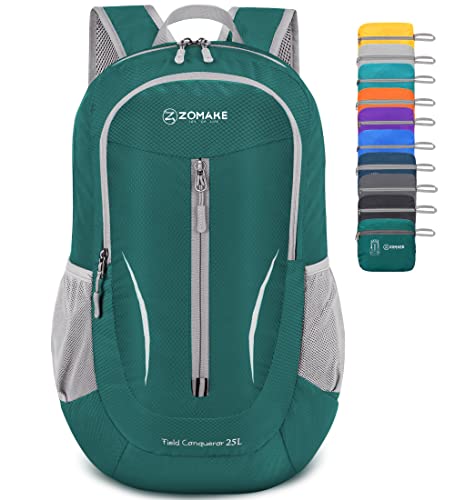
👉 A daypack that can get dirty

This daypack packs into a small pouch for a daypack that can get dirty. It’s lightweight, plus it has places for drinks on both sides. I’ve used this on multiple trips and it’s one of the best things I have for travel! Especially for excavations, this is perfect – your carry-on won’t be ideal because it will get dirty, so having a bag you can clean – but also pack away easily – is fabulous!
👉 Apple AirTags for Luggage Tracking
A lot of people experience having to wait on their luggage when arriving in Israel (it’s happened to me before, too), so I recommend Apple AirTags to help you track and find your luggage.

👉 AirTag Covers for the AirTags (these are the ones I have!)

Get a sun hat that goes all the way around to actually protect you from the sun – this is one of those cases where you actually need one!

👉 Hiking shoes
Durable hiking boots or hiking shoes provide safety and make outdoor activities so much easier! Personally, I love shoes vs boots for when it’s extra hot outside (like on excavations). Salomon hiking shoes are top-rated by hikers and companies – check them out below for women’s and men’s:
🥾 See Women’s Salomon Hiking Shoes Here
🥾 See Mens Salomon Hiking Shoes Here
👉 Reef-safe, allergen-free sunscreen – Badger: This sunscreen has only a few ingredients and is free of chemicals & allergens! I have eczema and I’ve been LOVING this stuff. It doesn’t bother my super-sensitive skin at all, plus it’s reef-safe!
👉 Durable, cool clothing: Bring old clothes that can get dirty, and that will keep you cool on the hot days!
These are cloths you can put water on to cool you down. I have them and have found them incredibly useful!

👉 Earthbreeze Fragrance-Free Laundry Detergent Sheets
You’ll most likely be hand-washing clothes… this is going to be your new BFF because they’re easy to pack (no liquid) and you can also use them in washing machines! I bring these everywhere I go and even use them at home.

This one works for the US, UK, EU, and AUS:
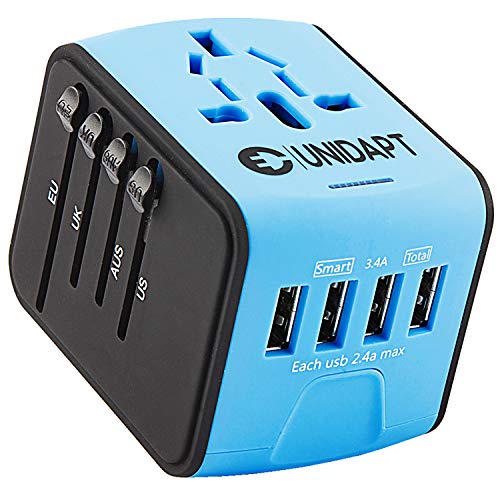
- Intelligent charge "IC" allows it to automatically recognize devices for optimized charging time of all your devices
- Charge up to 5 devices
- Covers over 160 countries with US/UK/EU/AU plugs
- Satisfaction Guarantee or your money back & 1 Year full Warranty
👉 Protein bars and other snacks
On digs, you don’t eat breakfast first thing, but you do go to work. I have to eat protein first thing in the morning, and I love these Mini Clif Bars for traveling.
Here are my most recent protein sources to travel with with none of my allergens (no nuts, gluten, grains or dairy and minimal to no sugar):
👉 Garden of Life Raw Organic Protein Unflavored Powder Packets: Perfect for having the protein I need – no sugar or fake sweeteners, none of my many allergens, & easy to pack!
👉 Vital Proteins Collagen Peptides Powder Supplement: More protein that also helps my skin, easy to put in coffee or to use when I don’t eat breakfast soon enough.
👉 ALOHA Organic Plant Based Protein Bars – Chocolate Chip Cookie Dough: These are the ONLY protein bars I’ve found that are entirely allergen-free for me: no nuts, gluten, grains or dairy and minimal sugar!
👉 A travel coffee mug and instant coffee (or you can buy coffee in Israel)
You might get a mid-morning coffee break on the dig, but personally, I need coffee first thing! Just an expert tip 😉
👉 Bandana
It’s also nice to have a bandana for when you’re in the shade digging, or just to have on hand for dirt and such.
👉 Shekels
You can get shekels ahead of time to make sure you can buy things on grocery trips and all that. Having a bit of cash on hand is definitely necessary in Israel.
👉 Tissues
You can buy these there – Israel doesn’t always have TP at places like rest stops, so it’s a good idea to carry your own.
👉 Good moisturizer
Your skin will most certainly get dry from digging, so make sure to bring good, thick moisturizer!
Vaseline Body Balm Stick Anti-Friction For Dry Skin Unscented is my current travel moisturizer of choice for really dry skin!
👉 Sleep Mask and ear plugs
You’ll most likely be sharing a room on the dig, and you’ll need your sleep. I recommend a good sleep mask like this one:

This is the perfect travel towel, because it takes up little space and is quick to dry. You might want it as an extra or for the beach.

👉 Sunglasses
👉 Portable Charger Bank (this one is the lightest weight and highly rated!)

- Built adventure-tier touch with superior durability & scratch resistance
- One of the slimmest and lightest 10,000 mAh portable chargers on the market
- Exclusive PowerIQ and VoltageBoost technology combine to detect and deliver a tailored charge up to 12W
- Comprehensive MultiProtect safety system includes overcharge protection, short circuit protection, temperature control & more
👉 Photography Gear, if you want: Most of my dig experience was coupled with doing video and/or photography. There are a lot of amazing photo opportunities in Israel and on digs, so if you’re into photography I recommend bringing your gear along!
👉 SIM Card or Other Phone Plan: You can get a SIM card at the airport on arrival, or use Airalo eSIM!
👉 Travel Credit Card: I wish I had known this younger, but you can avoid foreign transaction fees on your credit card if you get a travel card! I have the Chase Sapphire Preferred Credit Card and I love it (the free flights from points I’ve gotten way exceed the minimal yearly fee, but there are other options without any yearly fee, too)!
What you’ll need to plan your visit to Israel
👉 For flights, WayAway is a flight aggregator that helps you find the cheapest flights. Use the code MUKI-TRAVELS for 10% off WayAway Plus.
👉 If you rent a car, just be prepared, especially for driving in Israel. You’ll need to be an aggressive driver. To rent a car in Israel, Discover Cars is a great tool to use to find the best deals!
👉 Use the apps Moovit (for public transporation) and Waze (for driving directions).
👉 Find more tips on things like travel insurance, what to pack, and more on my travel resources page.
More Israel Guides, Travel Resources + More
👉 Check out my Guide to Jerusalem & The Four Quarters of the Old City
👉 Unveiling the Mysteries of Tel Gezer: A Journey Through Ancient Canaanite History
👉 Is Israel Safe For Travel? Important Advice Amidst War
👉 What To Pack For Israel In Winter (Dec-Feb)
👉 What To Pack For Israel In Spring (March-May)
👉 What To Pack For Israel In Summer (June-Sept)
👉 What To Pack For Israel In Fall (Oct-Nov)
👉 Winter in Jerusalem: Weather, Things To Do + Travel Tips
👉 Is Tel Aviv Worth Visiting? 18 Ways To Make Your Trip Worthwhile
👉 31+ Best Things To Do In Tel Aviv (With Map)
👉 Find out the Best Time to Visit Tel Aviv
👉 Find the Best Israel Day Trips from Tel Aviv
👉 8 Best Tours From Tel Aviv To Jerusalem To Check Out
👉 Where To Stay In Tel Aviv: Best Places for Every Budget (Neighborhoods, Hotels + More)
👉 Where To Stay In Haifa: Best Places for Every Budget (Neighborhoods, Hotels + More)
👉 Tel Aviv to Jerusalem / Jerusalem to Tel Aviv: All You Need To Know
👉 Renting A Car In Tel Aviv: Everything You Need To Know
👉 What To Pack For Israel In Winter (Dec-Feb)
👉 Here’s a list of What To Do In Haifa, Israel
👉 Jerusalem to Galilee / Galilee to Jerusalem: All You Need To Know
👉 Jerusalem to Egypt / Egypt to Jerusalem: All You Need To Know
👉 Jordan to Jerusalem / Jerusalem to Jordan: All You Need To Know
👉 Rome to Jerusalem / Jerusalem to Rome: All You Need To Know
👉 Is Jerusalem Worth Visiting? 26 Things To Do To Make Your Trip Worthwhile (with pros & cons)
👉 Israel & Palestine, and the Conflict: A Beginner’s Guide (History, Maps & Resources)
👉 The 17 Best Israel Souvenirs
👉 Top 25 Biblical Sites In Israel
👉 Captivating Scenes: A Photo Journey Through Historic Jerusalem
👉 10+ Unique and Captivating Photos of Tel Aviv, Israel
👉 David vs. Goliath: A Journey Through the Historic Elah Valley
👉 For places to see in Egypt, including more archaeological sites, check out this Cairo Guide.
👉 Here are more guides to international places to photograph and explore.
