
What To Pack For Israel In Winter (Dec-Feb) In 2026

Have you been looking for what to pack for Israel in Winter (December, January and February)? I’ve got you covered!
In addition to multiple visits and touring around Israel, I lived in the country for two years in both Haifa and Tel Aviv. I lived there for two winters: one in Haifa, without a coat or umbrella (which I don’t recommend); and one in Tel Aviv, where one rainy, cold night after school, I finally bought a coat, hat, scarf and umbrella!
My Haifa apartment didn’t have heat, because I was there with a Masa program; so, whether you’re packing for a more traditional trip like Birthright or a tour with heated hotel or hostel stays, or if you’re staying longer and might not have heat like with an internship program, school or solo traveling, I’ve got you 🙂
I also participated in the Masada excavation, which takes place in the winter, as well as going to archaeological sites for my photography internship and field trips in the Winter. Every part of the country is a bit different, so you’ll want to be prepared for it all!
Here’s my packing list, and then I’ll go into detail on each:
- Winter clothing and layers, plus swimsuit for the Dead Sea
- The right shoes for hiking and water
- Rain Gear
- Luggage, carry-on and Daypack
- Camera Gear
- Toiletries
- Electronics
- Travel necessities
- Apps to download
- Hydration and snacks
- Extra items if you’re going on an archaeological excavation

Planning Your Israel Trip? Use my favorite resources:
Accommodation: Booking.com
Mid-Priced Hotel: Bezalel Hotel
Rent a Car: Discover Cars
Travel Insurance: Allianz
Flights: WayAway
Tour: All Inclusive Walking Tour Old City Jerusalem
eSIM: GigSky
What To Pack For Israel In Winter (December/January/February): Clothing

Winter Gear
👉 Coat and Layers: Winter can feel really cold, especially if you’re in the North or Jerusalem, but even in Tel Aviv. At Masada and the Dead Sea region, it can feel much warmer – so bring layers to be prepared, and include things that can be in rain.
Note: Make sure you have long pants or a skirt, and a scarf for visiting religious sites like mosques.

👉 Winter Hat, Gloves & Scarf: Even though the temperature might not look cold on your weather app, it feels cold because of the humidity and rain (but not every day, all day). It gets colder when you go further North, and especially in Jerusalem and the Golan Heights, where you can even see snow (you can ski on Mt Hermon, too)!
- I also recommend bringing a hat like a baseball cap for days when it’s not as cold, or for places like Masada.
Shoes
Going to Israel involves a lot of walking and hiking, so make sure your shoes are worn-in before you go!
👉 Blundstones (especially for Fall or Winter), which you’ll see most Israelis wearing.
It can rain a lot in the winter sometimes, so you might also want shoes like this that are even more waterproof:
👉 Hiking shoes and/or tennis shoes: Hiking shoes is another option, and these are also good for if you’re doing a lot of hiking (like at Mt. Arbel, Masada, Ein Gedi etc) or going on an excavation. Salomon hiking shoes are top-rated by hikers and companies – check them out below:
🥾 See Women’s Salomon Hiking Shoes on Amazon Here
🥾 See Women’s Salomon Hiking Shoes on REI Here

👉 Chacos (sandals): If you’re going in water, especially the Dead Sea, you’ll need water shoes. I recommend Chacos (and yes, I’ve worn them in the Dead Sea multiple times, in Israel and Jordan) because they’re hiking sandals with thick soles, so you can wear them literally everywhere (unless it’s too cold)!
👉 Swimsuit for the Dead Sea

👉 Microfiber Towel for the Dead Sea, other places with water and hotel or apartment use as needed – this is the perfect travel towel, because it takes up little space and is quick to dry.

👉 Sunglasses, of course because sunny days are really sunny in Israel!
- Tip: You can also bring Croakies to hold your sunglasses, since you’ll go into places without sun like underground, markets and indoor places! I’ve done this and find it super helpful.
👉 Umbrella for the rainy days:
👉 More Jewelry and Accessories:
- A waterproof watch that you can get dirty (I always wear cheap ones)
- Jewelry that has no sentimental or monetary value, if possible, especially if you’re just going on a tour or short trip
👉 More clothing not to forget to pack:
- Warm PJ’s and possibly sweats for cold nights
- Warm socks or slippers for indoors at night
- Socks, including thick/long socks to wear with hiking boots
- Underwear
What To Pack For Israel In Winter (December/January/February): The Basics
Luggage/Bags
👉 Luggage: This depends on your preferences and trip length, of course! I own and use Level8 Suitcases because they’re really high-quality and have wide handles that I don’t have to pack around, plus more. Use my code mukikapupstravels for an exclusive 10% off yours.
👉 Backpack or carry-on: Besides the backpacks above, you can either bring a daypack as a carry-on, a camera backpack, a backpack that opens like a suitcase, a BEIS Weekender (which I own and love), etc.
Tip: If you’re looking to fit in and have some money to spend, a LOT of people in Israel have this Fjallraven Kanken Pack!
👉 I use this (more affordable) daypack, and have on multiple trips now. It’s packable and lightweight but holds up really well! I also love that it can get dirty when I’m hiking, doing water activities etc and I can just let it dry and re-pack it.
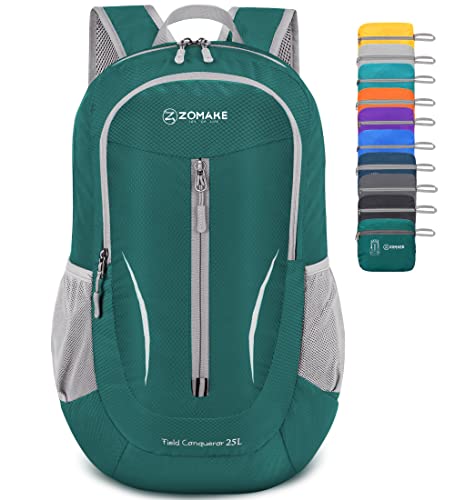
It also has drink holders on both sides and lots of pockets. On my first excavation, I had to buy a separate daypack in Jerusalem’s Old City Market, because my backpack got so dirty on the dig that I was using a grocery bag!

👉 Optional: Purse or smaller bag
You might also want a sling, cross-body bag or something like this for your valuables in places like the markets for both safety and ease of use.
Another option is a fanny pack, like this Cotopaxi Allpa X 4 L Hip Pack, or this CamelBak Podium Flow Hydration Belt.
Electronics
🔌 Electrical Converter: Israel uses plug types C, H and M, a 230V supply voltage and 50Hz. I recommend buying this in advance so you can charge your phone and computer in airports.
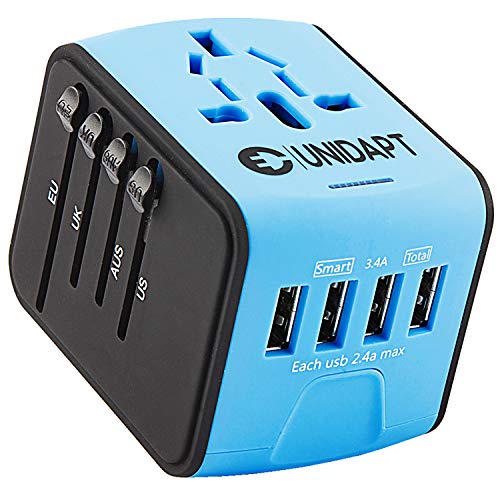
- Intelligent charge "IC" allows it to automatically recognize devices for optimized charging time of all your devices
- Charge up to 5 devices
- Covers over 160 countries with US/UK/EU/AU plugs
- Satisfaction Guarantee or your money back & 1 Year full Warranty
👉 Apple AirTags for Luggage Tracking
A lot of people experience having to wait on their luggage when arriving in Israel (it’s happened to me before, too), so I recommend Apple AirTags to help you track and find your luggage.

👉 AirTag Covers for the AirTags (these are the ones I have!)

👉 Portable Charger Bank (this one is the lightest weight and highly rated)
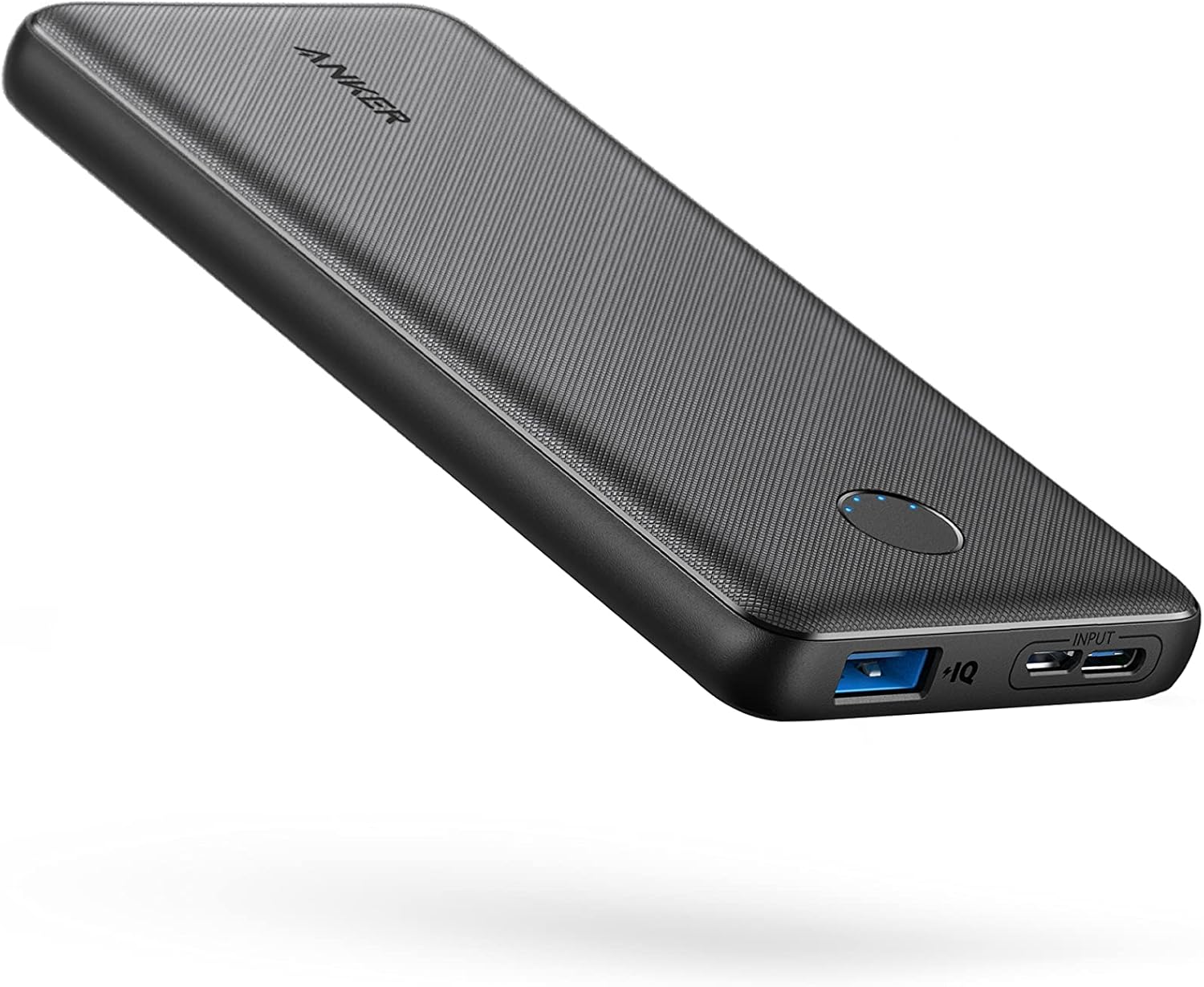
- Built adventure-tier touch with superior durability & scratch resistance
- One of the slimmest and lightest 10,000 mAh portable chargers on the market
- Exclusive PowerIQ and VoltageBoost technology combine to detect and deliver a tailored charge up to 12W
- Comprehensive MultiProtect safety system includes overcharge protection, short circuit protection, temperature control & more
👉 Photography Gear: Israel is beautiful, and you’ll definitely be taking take tons of pictures!

👉 More Electronics not to forget:
- Phone and computer chargers
- Extra batteries
- e-Reader/charger if you use one
Sunscreen & More Toiletries
👉 Reef-safe, allergen-free sunscreen – Badger: This sunscreen has only a few ingredients and is free of chemicals & allergens! I have eczema and I’ve been LOVING this stuff. It doesn’t bother my super-sensitive skin at all, plus it’s reef-safe.
👉 More toiletries as needed:
- Toothbrush, toothpaste & floss
- Feminine hygiene products
- Medication (pack prescriptions in carry-on)
- Shampoo, conditioner and soap/body wash
- Deodorant
- Wet wipes, tissues
- Laundry bag
- First aid kit
- Razor and shaving cream if you use it
- Bug repellant
- Hair care items like ponytail holders, hair dryer etc. as needed
- Makeup and skincare
Hydration
👉 A really, really good water bottle and/or cover: In Israel, it’s easiest to buy 1 liter water bottles. Most people buy a cover with a strap like this one to carry it around more easily.
👉 A Hydrapak Water Reservoir: These are one of my go-tos when it comes to going on excavations and hiking and touring around Israel, because you can easily drink water when you need to without reaching for your bottle! Hydrapaks have a beyond lifetime guarantee, and they’re compatible with a range of backpacks and more benefits – read more with the reviews here.
👉 CamelBak Podium Flow Hydration Belt: This is another alternative if you want something smaller that fits like a fanny pack.
👉 Electrolyte packets like these for better hydration, because walking around in the sun will get to you before you know it. I’ve gotten headaches in Israel many times, and electrolytes are one of the best and most necessary ways to avoid this and more issues.

👉 Cooling cloths: These are cloths you can put water on to cool you down when you’re hiking, etc. I have them and have found them incredibly useful.

👉 Sleep Mask and ear plugs: There’s a lot to do in Israel, and you’ll need your sleep – plus, I always wear a sleep mask even at home! I recommend a good sleep mask like this one:

👉 Earthbreeze Fragrance-Free Laundry Detergent Sheets: These are so easy to pack because they don’t have liquid, and you can also use them in washing machines and for hand-washing clothes. I bring these everywhere I go and even use them at home.

👉 Tissues: You can buy these there – Israel doesn’t always have TP at places outside of cities, like rest stops, so it’s a good idea to carry your own.
What To Pack For Israel In Winter (December/January/February): For Traveling

👉 Don’t forget your Passport, of course!
👉 Travel Insurance is a must for traveling to Israel: I use and recommend Allianz.
👉 You don’t need to worry about a Visa: Travelers from the US typically are granted a 3-month tourist visa upon arrival (which is free of charge), that can be extended.
👉 Shekels: You can get shekels ahead of time, because having a bit of cash on hand is definitely necessary in Israel. Many places take cards, but especially outside of the cities you’ll need cash.
There are places to exchange at the airport and in other places, and I recommend getting a Charles Schwab bank account if you travel often to avoid the ATM fees (there are some other places that do this as well).
👉 SIM card or eSIM: You can get an eSIM in advance (I use GigSky), or get a physical SIM card at the airport when you arrive.
👉 Travel Credit Card: I wish I had known this younger, but you can avoid foreign transaction fees on your credit card if you get a travel card! I have the Chase Sapphire Preferred Credit Card and I love it (the free flights from points I’ve gotten way exceed the minimal yearly fee, but there are other options without any yearly fee, too)!
What To Pack For Israel In Winter (December/January/February): Apps & Resources

👉 Getting familiar with the Hebrew alphabet can help you read signs and use Moovit (public transportation app where some places are only in Hebrew).
👉 It’s also helpful to know commonly used words and phrases, which you can learn on an app like Duolingo! I also recommend downloading the Google Translate app to make it easier to access.
👉 Use the apps Moovit (for public transporation), Waze (for driving directions) and Gett for taxis. Israel also has Uber.
📱Everyone in Israel uses WhatsApp – literally no one texts on regular texting! WhatsApp is also great to have for traveling around the world anyway.

What To Pack For Israel In Winter (December/January/February): for an archaeological excavation

Here are more things, in addition to what I’ve already listed, to bring on an excavation (I’ve gone on a lot of them, so I speak from experience!):
👉 Work Gloves: These work gloves are an excellent example of what you’ll need to dig with. The excavation will likely have gloves, but you’ll be glad you brought your own.
👉 Knee Pads: Archaeology involves a lot of kneeling on the ground, and knee pads are a must! Your excavation may or may not provide these, and this is another item that you’ll be glad to have your own.
👉 Trowel: This is optional, but a lot of people bring their own. Sometimes you’ll be looking for one of these and they’re all in use! It’s a good idea to get your name engraved on it if you bring one, and to keep track of it.
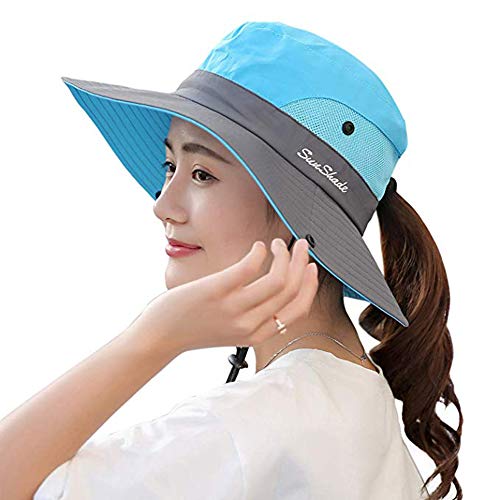
👉 A proper sun hat: Get a sun hat that goes all the way around to actually protect you from the sun – this is one of those cases where you actually need one!
👉 Durable, cool clothing: Bring old clothes that can get dirty, and that will keep you cool on the hot days.
👉 A travel coffee mug and instant coffee (or you can buy coffee in Israel): You might get a mid-morning coffee break on the dig, but personally, I need coffee first thing! Just an expert tip 😉
👉 Bandana: It’s also nice to have a bandana for when you’re in the shade digging, or just to have on hand for dirt and such.
👉 Good moisturizer: Your skin will most certainly get dry from digging, so make sure to bring good, thick moisturizer.
Vaseline Body Balm Stick Anti-Friction For Dry Skin Unscented is my current travel moisturizer of choice for really dry skin.
Protein bars and other snacks

I have to eat protein first thing in the morning, and sometimes on tours you need extra snacks, because the walking and sun take a lot of energy!
👉 I love these Mini Clif Bars for traveling, because they’re the perfect size with lots of protein!
Here are my most recent protein sources to travel with with none of my allergens (no nuts, gluten, grains or dairy and minimal to no sugar):
👉 Garden of Life Raw Organic Protein Unflavored Powder Packets: Perfect for having the protein I need – no sugar or fake sweeteners, none of my many allergens, & easy to pack!
👉 Vital Proteins Collagen Peptides Powder Supplement: More protein that also helps my skin, easy to put in coffee or to use when I don’t eat breakfast soon enough.
👉 ALOHA Organic Plant Based Protein Bars – Chocolate Chip Cookie Dough: These are the ONLY protein bars I’ve found that are entirely allergen-free for me: no nuts, gluten, grains or dairy and minimal sugar!
Recommended Tours in Israel

I use Viator to look for all kinds of tours when I travel on my own! Here are some of my posts with lists of top-rated and recommended tours:
Best Tours From Tel Aviv To Jerusalem
Where to Stay in Israel

Check out all my recommendations for:
- Places to stay in Tel Aviv including neighborhoods, hotels, hostels etc;
- Places to stay in Haifa including neighborhoods and accommodation for every budget in each;
- Places to stay in Jerusalem for every budget.
You can also take Taxis or Uber, and rent a car (I use Discover Cars) for travel to places without public transit, like archaeological sites and National Parks.
For all over Israel, get a Rav Kav, which is the public transit card for the bus (and trains, but you have to buy the ticket at the train stations for that). You can fill it up at stations and stores around the city. If you don’t get one and fill it up outside of the bus, you’ll have to buy one for one ride on the bus, but it’s more expensive – so be sure to pick one up at the airport!
👉 For flights, WayAway is a flight aggregator that helps you find the cheapest flights. Use the code MUKI-TRAVELS for 10% off WayAway Plus.
🎫 Passport Stamp: Instead of stamping passports, Israel gives travelers an entry card (but they reserve the right to stamp your passport). Keep your entry card! If you don’t, you can get charged the VAT tax.
All In All: What to bring for Israel in the Winter (Dec-Jan-Feb)
I hope this list helps you prepare and pack for visiting Israel in the Winter, even if you’re doing an extended visit for an internship program like I did – you can be even more prepared than I was, especially if you bring a coat and rain gear! Either way, I hope your trip is fabulous to this amazing country I love so much!
More Israel Guides, Travel Resources + More
👉 Check out my Guide to Jerusalem & The Four Quarters of the Old City
👉 Unveiling the Mysteries of Tel Gezer: A Journey Through Ancient Canaanite History
👉 Is Israel Safe For Travel? Important Advice Amidst War
👉 Winter in Jerusalem: Weather, Things To Do + Travel Tips
👉 Solo Travel In Israel: Expert Tips, Itinerary + More
👉 Is Tel Aviv Worth Visiting? 18 Ways To Make Your Trip Worthwhile
👉 31+ Best Things To Do In Tel Aviv (With Map)
👉 Find out the Best Time to Visit Tel Aviv
👉 Find the Best Israel Day Trips from Tel Aviv
👉 8 Best Tours From Tel Aviv To Jerusalem To Check Out
👉 Where To Stay In Tel Aviv: Best Places for Every Budget (Neighborhoods, Hotels + More)
👉 What To Pack For Israel In Spring (March-May)
👉 What To Pack For Israel In Summer (June-Sept)
👉 What To Pack For Israel In Fall (Oct-Nov)
👉 Where To Stay In Haifa: Best Places for Every Budget (Neighborhoods, Hotels + More)
👉 Tel Aviv to Jerusalem / Jerusalem to Tel Aviv: All You Need To Know
👉 Renting A Car In Tel Aviv: Everything You Need To Know
👉 Here’s a list of What To Do In Haifa, Israel
👉 Jerusalem to Galilee / Galilee to Jerusalem: All You Need To Know
👉 Jerusalem to Egypt / Egypt to Jerusalem: All You Need To Know
👉 Jordan to Jerusalem / Jerusalem to Jordan: All You Need To Know
👉 Rome to Jerusalem / Jerusalem to Rome: All You Need To Know
👉 Is Jerusalem Worth Visiting? 26 Things To Do To Make Your Trip Worthwhile (with pros & cons)
👉 Israel & Palestine, and the Conflict: A Beginner’s Guide (History, Maps & Resources)
👉 The 17 Best Israel Souvenirs
👉 Top 25 Biblical Sites In Israel
👉 Captivating Scenes: A Photo Journey Through Historic Jerusalem
👉 10+ Unique and Captivating Photos of Tel Aviv, Israel
👉 David vs. Goliath: A Journey Through the Historic Elah Valley
👉 For places to see in Egypt, including more archaeological sites, check out this Cairo Guide.
👉 Here are more guides to international places to photograph and explore.
