
Top Biblical Sites In Israel In 2026

Looking for the top Biblical sites in Israel? I’ve got you covered!
I lived in Israel for two years plus multiple visits, and I’ve traveled the country extensively as well as doing a lot of archaeology (including a Masters in Biblical Archaeology from Tel Aviv University).
I grew up interfaith, meaning I did both Jewish and Christian holidays and worship, and I have a Biblical Studies degree in addition to my archaeology degree.
In this post, I’m sharing the most traveled, as well as some unexpected, Biblical sites in Israel – read on to learn more (and see pictures)!

Planning Your Israel Trip? Use my favorite resources:
Accommodation: Booking.com
Mid-Priced Hotel: Bezalel Hotel
Rent a Car: Discover Cars
Travel Insurance: Allianz
Flights: WayAway
Tour: All Inclusive Walking Tour Old City Jerusalem
eSIM: GigSky
Map of Biblical Sites in Israel
Top Biblical Sites in Israel in Jerusalem
Biblical sites in Israel refer to places mentioned in:
- The Torah, or the first five books of the Bible: Genesis, Exodus, Leviticus, Numbers, Deuteronomy)
- The Tanakh, 24 books (similar to the Old Testament but in a different order)
- The New Testament of the Christian Bible
Many people who visit Israel come for religious pilgrimage. Many Christians are most interested in places “where Jesus walked”, but it’s important to keep in mind:
- Jesus was Jewish, and Christianity/the New Testament is centered on the Old Testament (it wouldn’t exist without Judaism). Having an appreciation of the history before Jesus’ life is important.

- Some of the most popular sites are not only contested because they’re more legend than fact, and they’ve been built up over history, meaning they’re inauthentic to Jesus’ time. Having an appreciation of the history since the time of Jesus is important as well (because unfortunately, you don’t actually time travel when you visit Israel – even though it still feels like it much of the time!).
Now, let’s continue with these amazing biblical sites!
1. Temple Mount / Dome of the Rock
The Temple Mount is the site of the first and second Jewish Temples, and the Dome of the Rock which is still in use today.
You can tour the outside of the Dome of the Rock area, but non-Muslims are not allowed inside the Mosque, and also are not allowed to pray on-site. You also must go through security, and any kind of weapon is not allowed. You must also dress conservatively.

2. Western Wall & Underground Tunnel Tour
The Western Wall is what’s left above the current street level of the second Jewish Temple, which was built by King Solomon. People go there to pray and place prayers in the cracks between the stones.
It’s customary to back up from the Wall, and not to turn your back on it.
The Western Wall is divided into sections for men and women; you can also go to the nearby area for a mixed gender space at Robinson’s Arch.
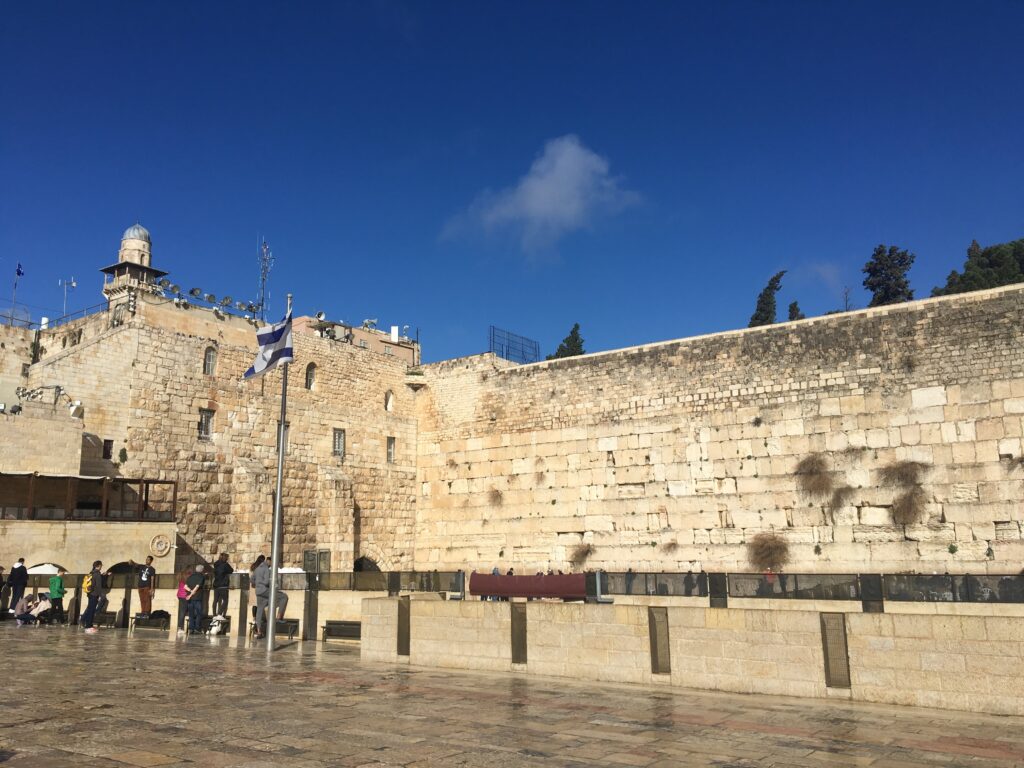
The Western Wall Underground Tunnel Tour reveals segments of the Second Temple’s Western Wall unseen from the plaza because it’s beneath the modern-day street level.
This immersive 488-meter journey takes you through ancient subterranean spaces with archaeological wonders, including stone arches, water pits, and an ancient aqueduct. Marvel at the colossal western stone, weighing nearly 570 tons, and experience a direct link between the Hasmonean period and modern times.
This captivating 75-minute tour, requiring advanced booking, invites you to connect with the rich history beneath the Western Wall, uncovering Second Temple-era homes, ancient cisterns, and remnants from different historical periods.

3. The Old City of Jerusalem
Often referred to as the “center of the world,” the Old City of Jerusalem stands as a testament to ancient history and the convergence of major world religions, rendering it arguably one of the most culturally significant places globally.
Designated as a UNESCO World Heritage Site, the Old City, encompassing a mere 0.35 square miles within its walls, is a fraction of modern-day Jerusalem. Yet, until 1860, this confined area constituted the entirety of the city.
Traditionally viewed as the capital established by King David for the Jewish people until the 10th century BCE, contemporary archaeological evidence suggests that the original settlement might have been centered in the City of David, extending possibly to Mount Zion and the Temple Mount during the Bronze and Iron Ages.
Besides shopping at the markets and eating amazing cuisine, you can find old churches, mosques and other biblical sites here, including:
- The Via Dolorosa
- The Church of the Holy Sepulchre, the heart of the Christian Quarter and the tomb of Jesus is believed to be located (in the Aedicula), plus the “true cross” and the possible site of Golgotha
- Byzantine Cardo
- The Burnt House
- Broad Wall
- Tower of David
- St. Mark’s Syriac Church, where legend has it that the last supper occurred
- Hurva Synagogue
- Israelite Tower
- Herodian Quarter (The Wohl Archaeological Museum)
- Pool of Bethesda
- The Israel Museum (houses a lot of artifacts from the Old City & other biblical sites)

4. The Garden Tomb
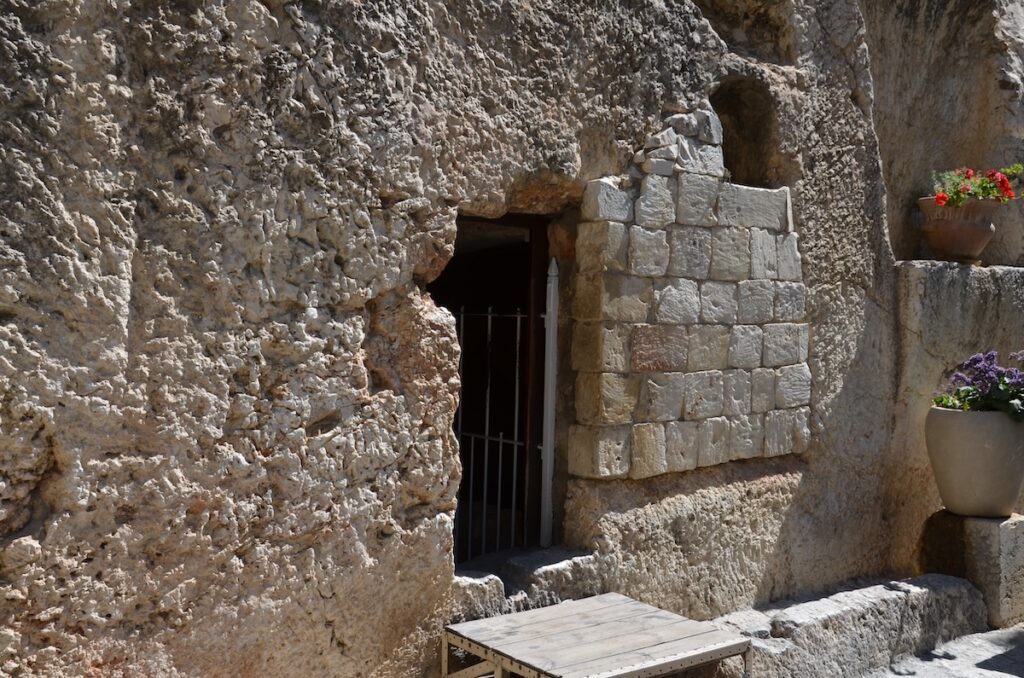
The Garden Tomb is an alternative Protestant site believed by some to be Jesus’ burial place. Surrounded by lush greenery, this serene garden invites contemplation and prayer. The peaceful setting allows you to actually feel a connection to this site, and provides space for reflection and devotions (as opposed to the crowds at the Church of the Holy Sepulchre).
5. Mt. of Olives
The Mount of Olives is sacred in both Jewish and Christian traditions. Explore the tombs of prophets and ancient olive trees here, soaking in the poignant views over Jerusalem.
There are additional biblica and religious sites here, including:
- Tomb of the Prophets
- Jewish Cemetery
- Lutheran Church of the Ascension
- Church of the Pater Noster
- Garden of Gethsemane
- Church of All Nations
- Tomb of the Virgin Mary
- Grotto of Gethsemane

6. City of David
The City of David was founded by King David and is located around the Gihon Spring. The site features archaeological wonders from Canaanite to Byzantine times.
This is one of my all-time favorite archaeological sites to visit in Israel! Walking Hezekiah’s Tunnel, the Pool of Siloam, the Herodian stepped street, and more exhibits and excavation areas make this site intriguing and fun every time I visit.
Additional areas include:
- Warren’s Shaft
- Area G Excavations

Top Biblical Sites in Israel in Northern Israel
Jerusalem has a ton of biblical sites, but no visit is complete without seeing iconic biblical sites in the other parts of Israel, too! Here are the top sites in the Northern district:
7. Sea of Galilee
Experience the shores of the Sea of Galilee, where Jesus recruited four of his apostles. Sites like the Mount of Beatitudes offer a breathtaking backdrop for the Sermon on the Mount. Sites like Capernaum and Tabgha provide a vivid connection to the biblical narrative.
You can see the Jesus Boat Museum and go on a biblical boat ride on the Sea of Galilee, plus more sites including:
- Capernaum
- Tabgha
- Mount of Beatitudes
- Tiberias & Rachel’s Tomb

8. Caesarea
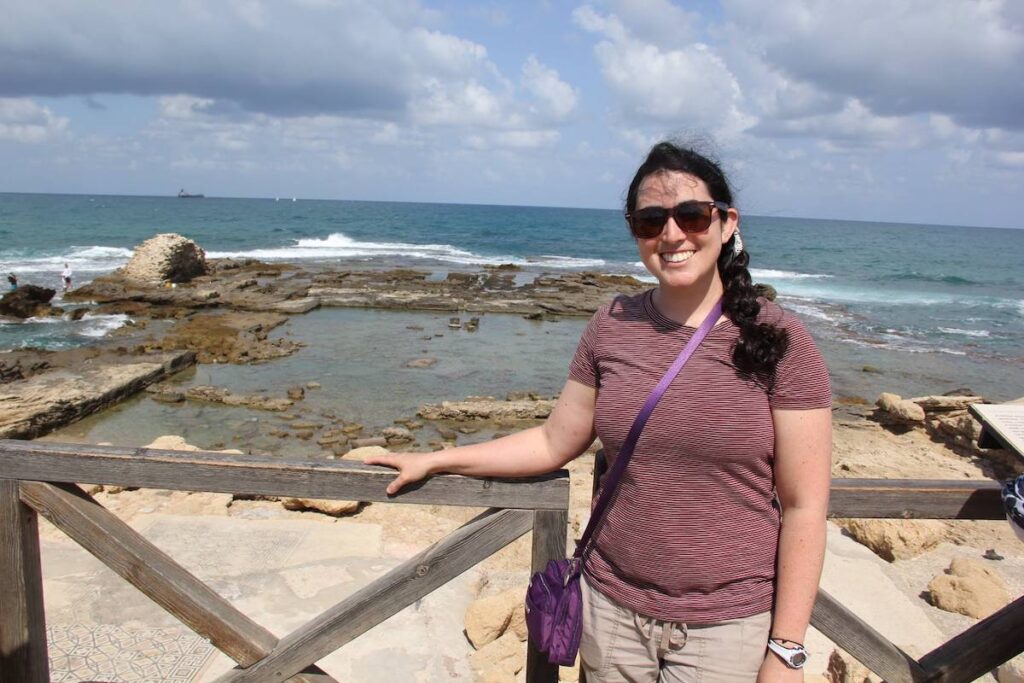
Wander through the remnants of Caesarea (another one of my favorite sites to visit in Israel), founded by King Herod.
The restored theater, hippodromes, and bath house complex stand as testaments to its ancient magnificence (and don’t miss the ancient toilets!). Feel the pulse of history as you explore Herod’s palace and the Roman aqueduct.
More sites here include:
- Caesarea National Park
- Herod’s Palace (remains you can see in the ocean!)
- Roman Aqueduct
- The Museum with artifacts, included some found underwater
9. Katzrin
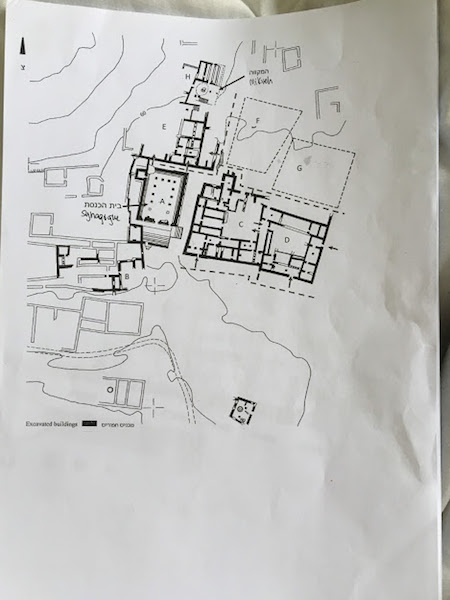
Katzrin is an ancient site situated in the heart of the Golan Heights that unveils the remnants of a Talmudic-era village, providing a vivid glimpse into the daily life of its inhabitants during that time.
Exploring Katzrin, visitors encounter reconstructed dwellings, ancient synagogues, and archaeological finds that transport them back to the roots of Jewish heritage. The site’s immersive experience, combined with its picturesque surroundings, offers a unique opportunity for travelers to connect with the rich tapestry of biblical narratives that echo through the ages.
10. Nazareth
Nazareth, the biblical hometown of Jesus, offers a plethora of sites weaving together history and spirituality for eager visitors, including:
- Basilica of the Annunciation: Commemorating the angel Gabriel’s announcement to Mary, this monumental site stands as a testament to the pivotal biblical event.
- Jesus Trail: Embark on the Jesus Trail, a winding pathway through landscapes reminiscent of Jesus’ own journeys, providing a profound connection to the biblical narrative.
- Precipice: Enjoy panoramic views of the Jezreel Valley from the Precipice, absorbing the landscapes that witnessed significant biblical events.
- St. Joseph’s Church: Explore the Church of St. Joseph, traditionally believed to occupy the site of Joseph’s carpentry workshop, adding depth to the story of Jesus’ family.
- Synagogue Church: Visit the Synagogue Church, traditionally associated with the synagogue where Jesus preached, incorporating remnants of an ancient synagogue.
- Mary’s Well: Discover Mary’s Well, a historic well linked to Mary, providing a serene stop resonating with the everyday life of Jesus’ family.
- White Mosque: Explore the White Mosque (al-Bahr Mosque), reflecting the diverse religious and cultural history of Nazareth, although not directly tied to biblical events.
I’ve spent some time in Nazareth, not only on tours but mostly staying there during archaeological excavations at Tel Zippori (Sepphoris).

11. Korazim
Korazim, an archaeological site boasting ruins dating back to biblical times, unfolds a compelling narrative of an ancient Jewish town. Its historical significance deepens as it is identified as one of the towns that Jesus is said to have cursed (Matthew 11:20–24).
The remnants of a synagogue, intricately preserved residential structures, and public spaces provide an immersive experience into the daily life of this bygone era.
Having personally photographed every wall of Korazim for conservation efforts with the Israel Nature and Parks Authority, I know the site well to say the least!

12. Mt Carmel
Mt Carmel, a mountain range of profound biblical significance, unfolds a narrative intertwined with the ancient stories of the Old Testament. Associated prominently with the prophet Elijah, it serves as the stage for the dramatic confrontation between Elijah and the prophets of Baal (1 Kings 18:16–46).
The panoramic views from Mt Carmel, where I lived in Haifa for five months, offer a stunning backdrop to reflect upon the divine interventions chronicled in biblical narratives. This sacred site not only captures the essence of Elijah’s bold proclamation of faith but also invites contemplation on the enduring impact of such pivotal moments in biblical history.
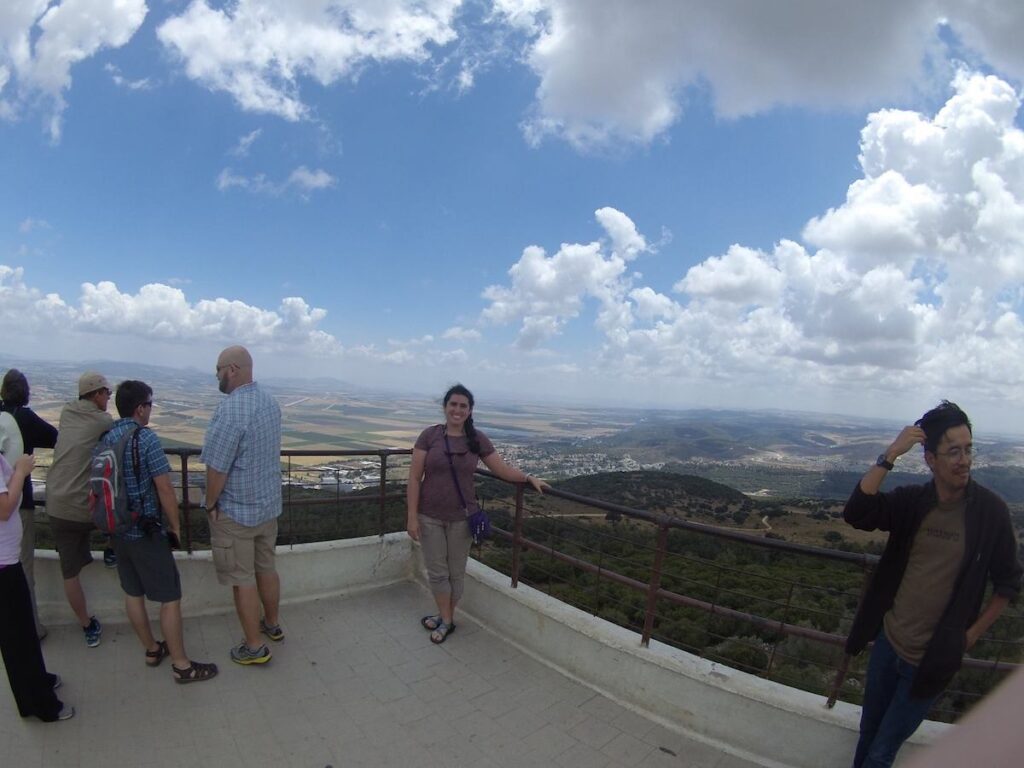
13. Megiddo
Megiddo, located along Israel’s key routes, stands as an archaeological testament to the historical prominence of Canaan. Famed for its robust structures, including palaces, temples, gates, and an advanced water system, Megiddo exemplifies the might of ancient Canaanite civilization.
Renowned Israeli archaeologist Israel Finkelstein’s (who was one of my TAU professors) excavations have unearthed significant artifacts, shedding light on the city’s rich history. The Canaanite period reveals a well-preserved city gate from the 15th century BCE and the remnants of a grand Canaanite palace, adorned with treasures such as gold objects and intricately decorated ivory jewelry.
Visitors can delve into this archaeological marvel by reserving a spot through the Nature and Parks Authority’s reservation system, ensuring an informative and insightful exploration of Megiddo’s captivating past.

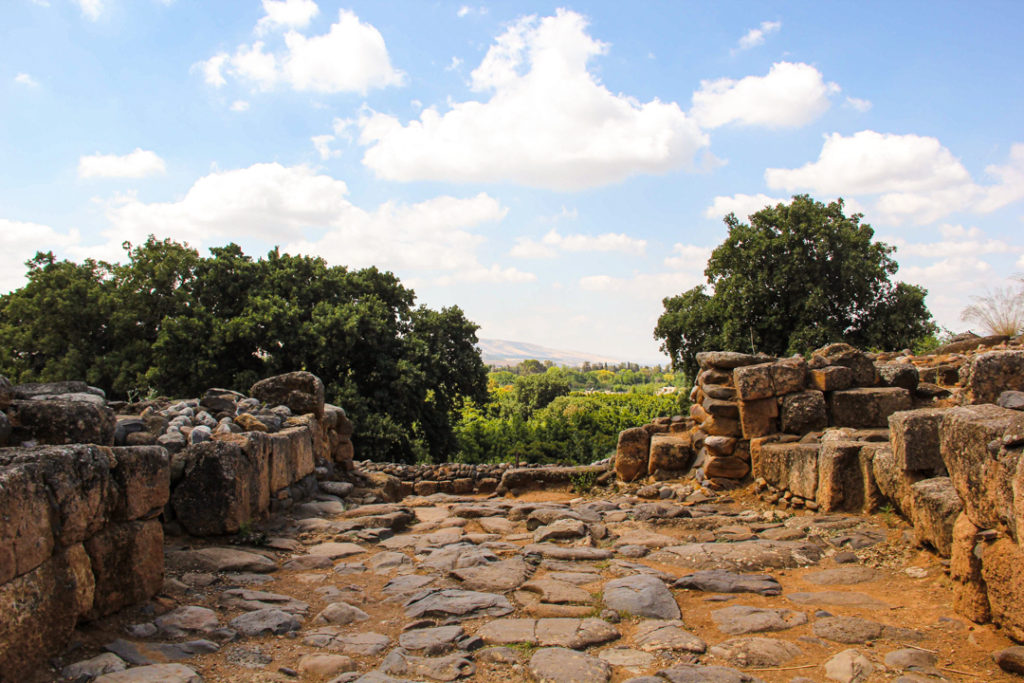
14. Tel Dan
Tel Dan, a remarkable archaeological site that I participated in excavating, unfolds layers of history dating back to biblical times. With its roots tracing to a 5000-year-old city that thrived during the Canaanite and Israelite periods, Tel Dan stands as one of Israel’s largest ancient tels.
My involvement in the excavation process allowed me to witness firsthand significant features of the site like the Abraham Gate (Canaanite Gate), an ancient gate built of mud bricks and featuring three arches considered the earliest of their kind globally.
The site also boasts the Israelite Gate, revealing fortification walls and the remains of a palanquin, offering insights into the city’s governance. Additionally, the ritual compound and flour mill serve as poignant reminders of Tel Dan’s historical and cultural significance.
Visitors can traverse accessible trails, explore the vibrant Paradise Springs, and witness the flourishing riverside forest, creating an immersive experience into the rich tapestry of Tel Dan’s past.

15. Jordan River
The Jordan River is not just a river; it’s a place steeped in biblical history. This is where John the Baptist baptized Jesus. When you visit, you’re not just by serene waters; you’re standing at the very spot where profound moments from the New Testament unfolded. It’s a genuine connection to the stories that have shaped centuries of faith.
Most tour groups have baptism ceremonies here, and the gift shops allow you to buy biblical souvenirs to remember this special place.
I’ve visited this site on both the Israel and Jordan sides (the border is the river, so you can’t cross over)!

Top Biblical Sites in Israel in Southern Israel
16. Tell es-Safi (Tel Gath)
Tell es-Safi, known by its Arabic name, is none other than the biblical city of Gath, the very place where the legendary David faced off against Goliath. Stepping onto these grounds isn’t just a visit; it’s a direct connection to the biblical narrative.
Modern-day excavations at Tell es-Safi by Prof. Aren Maeir (who I have been lucky enough to have heard speak at the site on a tour with Tel Aviv University) have unearthed the tangible remnants of ancient conflicts and civilizations, providing a fascinating perspective on the stories that have shaped our understanding of the past. This site offers a unique and immersive encounter with the rich tapestry of biblical history.

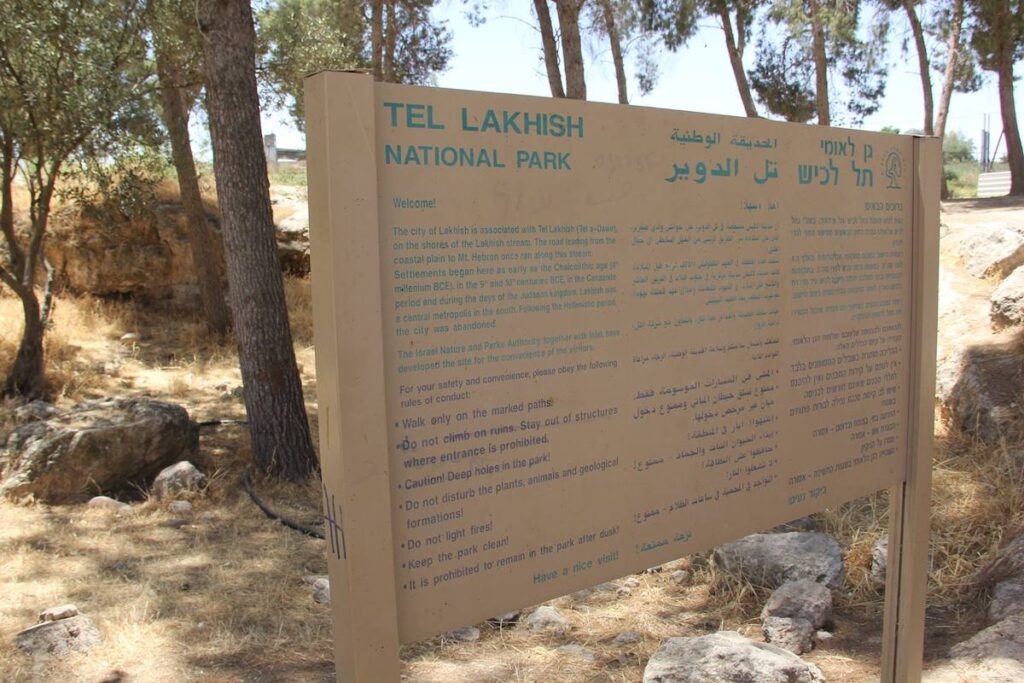
17. Tel Lachish
Lachish is the second most important city of biblical Judah. The city’s detailed account of its conquest by Sennacherib, discovered in Nineveh, brings the biblical narrative to life. With a new visitor center enhancing the experience, Lachish stands as a testament to local Biblical archaeology.
18. Jericho
Jericho stands as one of the oldest continuously inhabited cities globally, boasting a rich historical tapestry that spans millennia.
Beyond the biblical narrative of its iconic walls tumbling down, Jericho’s ancient ruins, coupled with ongoing modern excavations, offer a compelling journey through the city’s diverse historical strata.
This site presents a unique opportunity to literally walk in the footsteps of ancient civilizations, immersing visitors in the layers of history that define Jericho’s enduring significance.

19. Masada
Masada is one of my all-time favorite sites in Israel by far – I’ve visited there, and also participated in the 2019 excavations with Tel Aviv University.
Masada stands as an enduring symbol of the Jewish struggle for freedom, a site where the echoes of history resonate with each passing breeze. Venture to the summit, transformed by the architectural prowess of King Herod, and immerse yourself in the gripping saga of Jewish rebels who faced off against the Romans in dramatic events that unfolded on these very grounds.
The myth of Masada lingers in the air, and as you take in the panoramic views, a profound connection to a pivotal chapter in Jewish history unfolds before you.

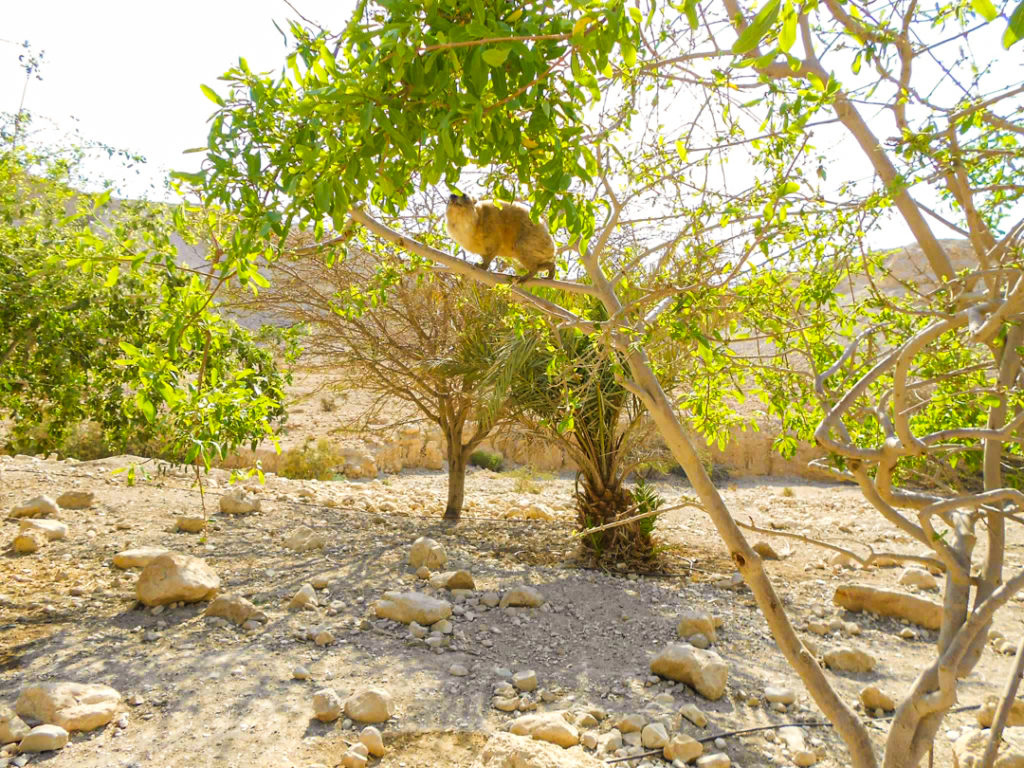
20. Ein Gedi
Ein Gedi emerges as an oasis in the desert, its biblical significance intertwined with its captivating natural beauty. Amidst the arid landscape, the desert springs and lush greenery provide a stark contrast, inviting visitors to explore this haven.
Beyond its serene appearance, Ein Gedi boasts not only hiking trails and breathtaking waterfalls but also archaeological excavations revealing its historical layers.
The ancient synagogue found here adds an extra dimension to the site, connecting visitors with centuries of human history against the backdrop of the tranquil oasis.
21. Qumran
Qumran is a site steeped in the history of the Essene sect, the dedicated scribes behind the Dead Sea Scrolls. Commencing the visit with an enlightening film on Qumran’s past, visitors are then led through a museum showcasing the communal life that characterized the settlement.
The archaeological journey unveils the remnants of meeting rooms, a central dining area for ceremonial meals, a kitchen, a watchtower, pottery workshops, and stables, providing a tangible glimpse into the daily existence of the Qumran residents.
The abundance of ritual purification pools, particularly concentrated near the dining room, reflects the meticulous approach of the community. Two scriptorium rooms reveal pottery inkwells and a metal inkwell, potentially used for transcribing texts, accompanied by the discovery of numerous pottery lamps, shedding light on nocturnal writing and study sessions.
Qumran’s guided activities, including night-time lamplight tours and dramatized reenactments of the scrolls’ discovery, further enrich the visitor experience, immersing them in the dramatic operations involved in procuring these ancient treasures.
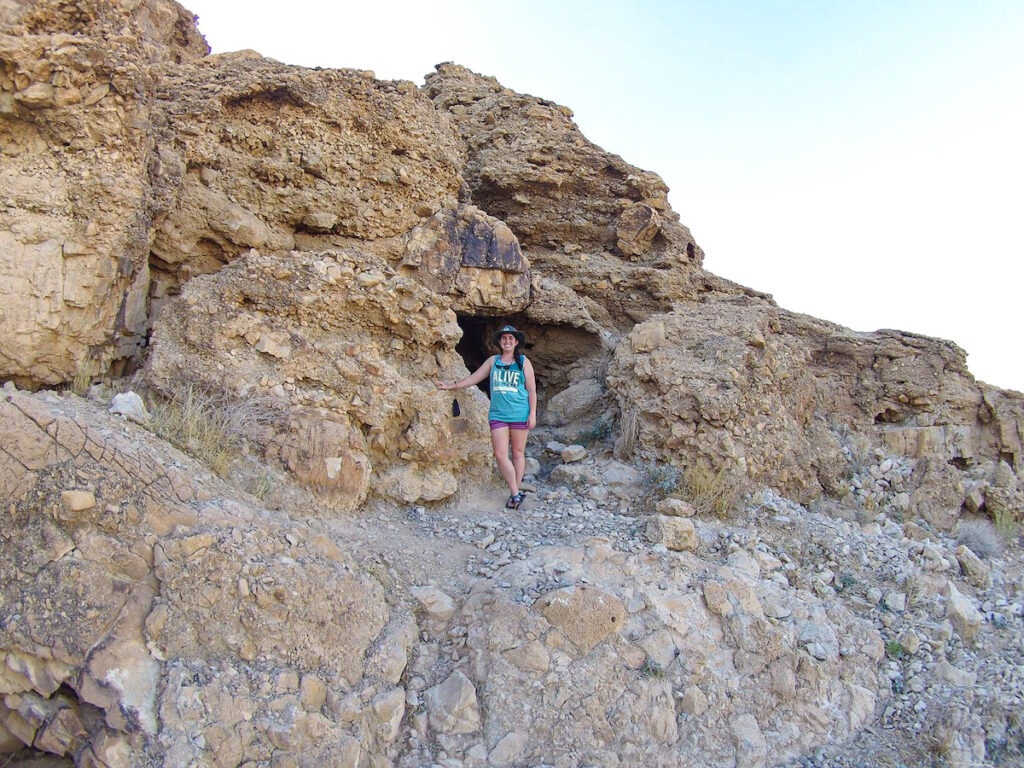
22. Bethlehem
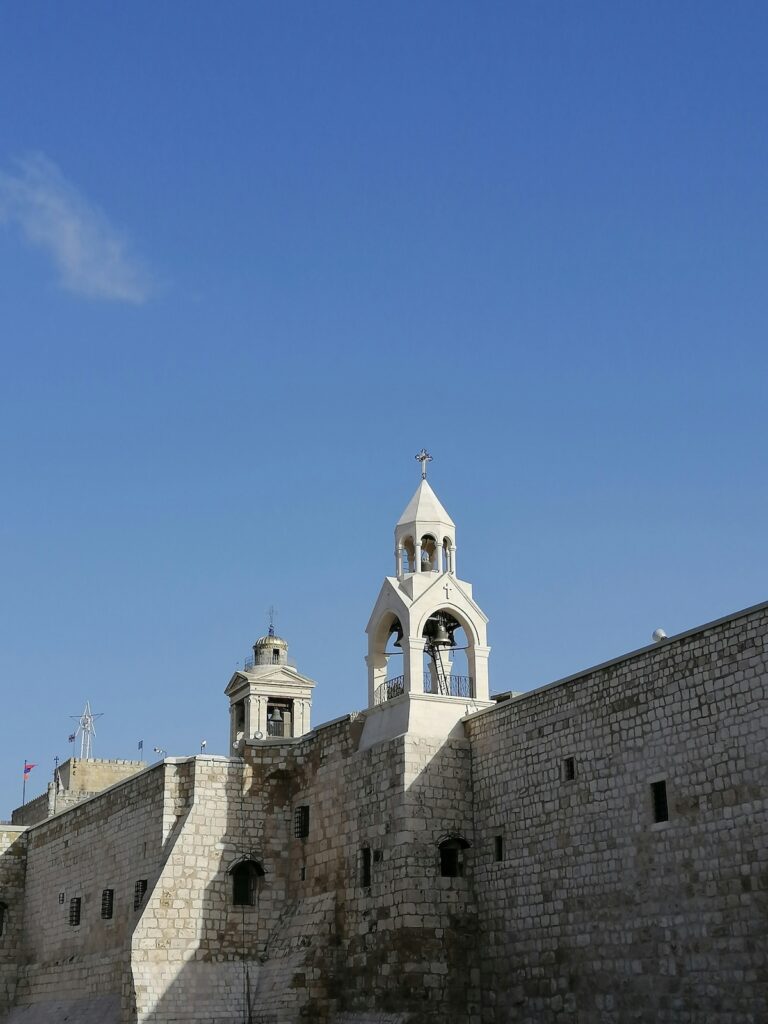
Bethlehem, renowned as the birthplace of Jesus and located in the modern-day West Bank, holds significance narrated in the Gospels of Matthew and Luke.
The focal point of this sacred narrative is the Church of the Nativity, one of the oldest Christian churches. Upon visiting, travelers will encounter an intimate space, where the Nativity Story is said to have taken place.
23. Herodium (Herodion)
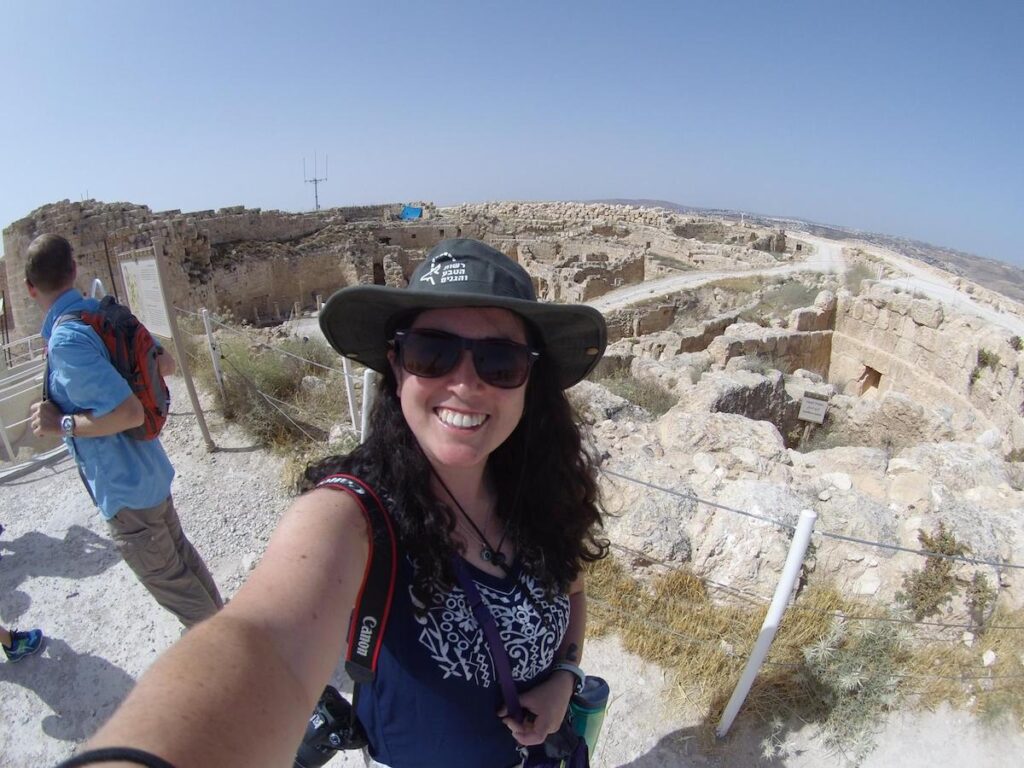
Herodium is Herod’s desert fortress and burial site. The archaeological remains and the commanding view from the summit reflect the grandeur of Herod’s architectural vision. Herodium invites you to delve into the historical legacy of one of the most influential figures in biblical times.
24. Tel Arad
Tel Arad, a crucial archaeological site in Israel, unveils the remains of a Canaanite city and fortresses from the era of the Kings of Judah. The meticulously planned Canaanite city features diverse structures such as a water reservoir, fortifications, and distinctive “Arad Houses.”
Noteworthy edifices include “The Palace” and temples, offering insights into ancient urban life. The subsequent fortresses, built during the Kingdom period, showcase a unique temple reflecting the biblical Tabernacle plan. Remnants like a square altar, inscribed ostraca, and a remarkable water facility provide rare glimpses into ancient worship practices.
Travelers can explore this historical gem by reserving a visit to traverse its captivating points of interest. Night camping facilities, including a Canaanite Khan, offer an immersive experience, allowing visitors to connect with Tel Arad’s rich history.
25. Mt Sodom / Lot’s Wife Pillar
Nestled along the western side of road 90, approximately 25 miles south of Masada, Lot’s Wife Pillar and Mt Sodom stand as geological wonders steeped in biblical intrigue. According to local tradition, the large pillar of salt, visible next to the road, represents Lot’s wife, transformed as a consequence of divine disobedience, echoing the biblical tale in Genesis 19:26.
Geologist Dr. Amos Frumkin proposes that the pillar’s formation dates back 4000 years, resulting from a significant earthquake-induced collapse of a cave. This geological marvel prompts reflection on the intersection of natural phenomena and ancient biblical narratives.
Archaeological evidence ties the destruction of nearby Bab Edh-Dhra to the same timeframe, suggesting a potential correlation with the biblical story of Sodom and Gomorrah. The site’s distinctive features, marked by a road sign for easy identification, offer a unique perspective on the convergence of geological history and biblical lore.
FAQs: 25 important places in the Bible located in Israel
👉 What are the holy sites of Christianity in Israel?
Christian holy sites include the Church of the Holy Sepulchre, Bethlehem, the Sea of Galilee, and many more.
👉 Where did Jesus go in Israel?
Jesus traveled extensively in Israel, visiting places like Nazareth, Capernaum, and Jerusalem.
👉 What biblical things are in Israel?
Israel is home to numerous biblical sites, artifacts, and landscapes, including ancient cities, tombs, and natural features mentioned in the Bible.
👉 What are the 5 holy cities of Christianity?
The key holy cities include Jerusalem, Bethlehem, Nazareth, Jericho, and Hebron.
👉 What was the holiest site in Israel?
The holiest site in Israel is often considered to be the Temple Mount in Jerusalem.
👉 Can you visit the site of Jesus’ Crucifixion?
Yes, the site is identified as the Church of the Holy Sepulchre in Jerusalem, and it is open to visitors.
👉 What was Israel called when Jesus was born?
During Jesus’ birth, the region was part of the Roman Empire and known as Judea.
👉 Where is the Ark of the Covenant today?
The location of the Ark of the Covenant remains unknown, and its existence is the subject of historical and religious speculation.
👉 What is the most holy land on earth?
The designation of the most holy land is subjective, but for many, it is the land of Israel, particularly Jerusalem.
👉 What are the 3 main religions in Israel?
The three main religions in Israel are Judaism, Christianity, and Islam.
👉 Where is the real cross of Jesus?
The true cross of Jesus is a religious relic with disputed locations, and no definitive evidence exists regarding its precise whereabouts.
👉 Where is Jesus burial tomb?
The traditional site of Jesus’ burial tomb is within the Church of the Holy Sepulchre in Jerusalem.
👉 Can you visit the tomb Jesus was buried in?
Yes, the tomb is within the Church of the Holy Sepulchre, and visitors can access it.
👉 What is the difference between Jews and Christians?
The primary differences lie in religious beliefs, with Judaism following the Torah and Christianity incorporating the New Testament.
👉 Do Jews believe in Jesus?
Traditional Judaism does not consider Jesus the Messiah, but beliefs can vary among Jewish individuals. Most believe Jesus was a prophet.
👉 What religion was Jesus?
Jesus was Jewish, and his teachings form the foundation of Christianity.
👉 Do Muslims believe in Jesus?
Muslims recognize Jesus as a prophet in Islam.
👉 Do Jews believe in the Holy Spirit?
Traditional Jewish beliefs focus on the oneness of God. There is a belief in the divine spark, which is similar to the Holy Spirit but not the same as in Christianity.
👉 Who do Jews pray to?
Jews pray to God, and their prayers often center around the worship of the one divine being.
👉 What is the oldest religion?
The concept of the oldest religion is subjective, but some of the oldest known organized religions include Hinduism, Zoroastrianism, and ancient Egyptian religions.
All In All: Biblical Locations In Israel
Israel hosts countless biblical sites, may of which are yet to be unearthed. The most important ones and even more sites are visited regularly by the public and tourists, because they offer a profound journey through history, spirituality, and the cultural tapestry of the Holy Land.
I can say personally, after growing up with biblical tales, that visiting Israel for the first time as an adult was truly magical, bringing these tales to life and inspiring me to learn more and get involved in uncovering the history for myself!
From the shores of the Sea of Galilee to the desert landscapes of Masada, the echoes of biblical narratives resonate, inviting visitors to connect with the roots of faith and explore the timeless landscapes that have witnessed the unfolding of sacred history.
Read More Israel Guides
🇮🇱 The Best Time To Visit Jerusalem (+ 25 Things To Do)
🇮🇱 Is Israel Safe For Travel? Important Advice Amidst War
🇮🇱 Four Quarters In Jerusalem Old City: 29 Places To Visit (With Map + History)
🇮🇱 What To Pack For Israel In Winter (Dec-Feb)
🇮🇱 What To Pack For Israel In Spring (March-May)
🇮🇱 What To Pack For Israel In Summer (June-Sept)
🇮🇱 What To Pack For Israel In Fall (Oct-Nov)
🇮🇱 Solo Travel In Israel: Expert Tips, Itinerary + More
🇮🇱 David vs. Goliath: A Journey Through the Historic Elah Valley
🇮🇱 Is Jerusalem Worth Visiting? 26 Things To Do To Make Your Trip Worthwhile (with pros & cons)
🇮🇱 Winter in Jerusalem: Weather, Things To Do + Travel Tips
🇮🇱 Tel Aviv to Jerusalem / Jerusalem to Tel Aviv: All You Need To Know
🇮🇱 Jerusalem to Egypt / Egypt to Jerusalem: All You Need To Know
🇮🇱 Jordan to Jerusalem / Jerusalem to Jordan: All You Need To Know
🇮🇱 Rome to Jerusalem / Jerusalem to Rome: All You Need To Know
🇮🇱 Jerusalem to Galilee / Galilee to Jerusalem: All You Need To Know
🇮🇱 31+ Best Things To Do In Tel Aviv (With Map)
🇮🇱 Where To Stay In Tel Aviv: Best Places for Every Budget (Neighborhoods, Hotels + More)
🇮🇱 Is Tel Aviv Worth Visiting? 18 Ways To Make Your Trip Worthwhile (plus pros & cons)
🇮🇱 The Best Time to Visit Tel Aviv
🇮🇱 The 20 Best Day Trips from Tel Aviv
🇮🇱 Renting A Car In Tel Aviv: Everything You Need To Know
🇮🇱 Is Haifa Worth Visiting? 38 Ways To Make Your Trip Worthwhile (plus pros & cons)
🇮🇱 Where To Stay In Haifa: Best Places for Every Budget (Neighborhoods, Hotels + More)
🇮🇱 Israel Archaeology: Volunteer On An Excavation
🇮🇱 Israel Archaeology List: learn about famous sites
🇮🇱 Israel & Palestine, and the Conflict: A Beginner’s Guide (History, Maps & Resources)
🇮🇱 Captivating Scenes: A Photo Journey Through Historic Jerusalem
🇮🇱 10+ Unique and Captivating Photos of Tel Aviv, Israel
🇮🇱 The 41 Best Photography Spots In Jerusalem with Map + Ideas
🇮🇱 Unveiling the Mysteries of Tel Gezer: A Journey Through Ancient Canaanite History
