
The Best Rocky Mountain National Park Photography Locations (With Map)

Looking for the best Rocky Mountain National Park photography locations? You’ve come to the right place! This photography guide will cover the most beautiful places in Rocky Mountain National Park for any type of photography, all seasons, wildlife photography, tips and gear, where to stay and more!
Why listen to me? I’ve been a professional photographer for 15 years and I’ve spent years traveling, including solo travels where I plan and take photos – so I know how to find all the best locations!
Rocky Mountain National Park, which is located around an hour and a half drive from Denver, is 415 square miles. It has some of the highest mountains in the US, plus protected open alpine tundra, making it an excellent place for photography! Here are a few more quick facts to know about the park:
- Rocky Mountain National Park is the 5th most-visited US National Park
- The park crosses the Continental Divide, which means climate changes similar to those from Denver to Alaska are present within the park
- There are 60 mountain peaks over 12,000 feet high
- Has the highest visitor center of any US National Park (11,796 feet)

Planning Your RMNP Trip? Use my favorite resources:
Accommodation: Booking.com
Rent a Car: Discover Cars
Travel Insurance: Allianz
Flights: WayAway
Photo Tour: Sunrise Tour of Rocky Mountain National Park Here

Map of Rocky Mountain National Park Photography Locations
Best Rocky Mountain National Park Photography Locations for Sunrise Photos
Rocky Mountain National Park is full of amazing locations for sunrise photography, because the majority of the park faces East. Here are some recommendations for where to go:

1. Bear Lake
Bear Lake is amazing for landscape photography from various angles with the reflection of the sunrise!

2. Moraine Park
Moraine Park is a popular spot for sunrise photos, and you can also capture Elk herds here. It’s home to the Big Thompson River and meadows, giving you a variety of compositions to capture.
You can also camp at the Moraine Park Campground year-round – in fact, it’s the only place you can camp at the park in the Winter, making this a perfect spot to wake up and capture the sunrise!

3. East Entrance (RMNP Fall River Entrance / Toll Station)
The East Entrance, at the Beaver Meadows Entrance Station is the main entrance to the park. This is a great spot for sunrise photos because you can come a bit later than further-flung park locations, and still get amazing shots of:
- Upper Beaver Meadows
- Horseshoe Park
- The Alluvial Fan
- Moraine Park
- Mummy Range
- Longs Peak

4. Chasm Lake

Chasm Lake is a beautiful spot for sunrise with a reflection! It’s at a higher elevation, so you’ll need to get there around 3.5-4 hours before sunrise to hike to the spot and prepare. The hike takes some rock scrambling (see photo below)!

📸 Sunrise Tour of Rocky Mountain National Park
You can go on a guided Sunrise Tour of Rocky Mountain National Park with a naturalist and historian to get the best sunrise locations for photography! The cost of entry is included, as well as a private, air-conditioned vehicle. You’ll then go to Estes Park where you can eat breakfast.
📸 🌄 Book Your Sunrise Tour of Rocky Mountain National Park Here
Best Rocky Mountain National Park Photography Locations for Winter Photos
Rocky Mountain National Park winter photography is a big deal because of the amazing landscapes you can capture with snow and ice! Be aware that many of the roads are closed in the winter, so you may need to plan more time to drive to photo spots.
Tip: For updates, follow the park on Twitter @RockyNPS, call the Information Office at 970- 586-1206 (open 8am-4pm M-F and 8am-12pm Sat-Sun during winter) or call the Recorded Trail Ridge Road Status Line at 970-586-1222.

Rocky Mountain National Park Winter Weather
Weather in the Winter at Rocky Mountain National Park varies by elevation and location. The Continental Divide means there are two separate climates, one on the east and one on the west.
Winter weather in Rocky Mountain National Park can last from late September or early October until late May or early June. In low elevations in the East, there usually isn’t much snow, but at high elevations, there can be blizzards, avalanches and deep snow. In the West, there is less snow and wind.
March and April tend to be the snowiest months in Colorado.
You’ll need to pack for weather of -35 degrees F or lower, including layers and waterproof clothing. See the gear section near the end of this post for more.

5. Glacier Gorge Area
Glacier Gorge is an easy-to-reach location that is one of the best photography locations in Rocky Mountain National Park. The area includes:
- Alberta Falls
- Mills Lake and the Loch
- Black Lake (hike)
- Sky Pond (hike)
- Andrews Tarn (hike)

6. Dream Lake
Dream lake is an amazing photo spot for Winter with Hallett Peak in the background and ice skating around the lake!

7. Emerald Lake Trail
You can hike the 3.3-mile, 700-ft elevation Emerald Lake Trail and get photos of:
- Hallett Peak
- Longs Peak
- Flattop Mountain
- Emerald Lake
- Dream Lake
- Nymph Lake

📸 Sunrise Photo Hike to Dream and Emerald Lakes
You can book this photographer-led guided sunrise photo hike to Dream and Emerald Lakes to get the best of both worlds – You’ll get landscape photography tips from the guide in a small-group setting!
📸 🌄 Book Your Sunrise Photo Hike to Dream & Emerald Lakes Here!
8. Sprague Lake
Sprague Lake is a great spot to capture the reflection with snow-capped mountains in the background of landscape photos.
9. Gem Lake
Gem Lake can be reached on a 3.5-mile hike, and the area is in a basin, which means you can get amazing photos of the melting snow surrounded by granite cliffs.

10. Lily Lake
Lily Lake gets eced-over in the winter with snow. It’s easy to access so it gets more crowded in the summer, but in the winter it’s not as touristy, making it better for landscape photos!
11. Longs Peak
Longs Peak is the tallest mountain from its location all the way to the Arctic Circle! It’s a favorite photo spot in the park because every new angle is completely unique.

12. Where to Photograph Winter Wildlife in Rocky Mountain National Park
Wildlife to photograph in Rocky Mountain National Park in the Winter includes:
- Elk in low elevations on the East side of the park, like Horseshoe park, mostly at dusk and dawn in meadows
- Moose can be found in the forested areas and along the Colorado River on the West side of the park
- Snowshoe hare
- Ptarmigan
- Coyote
- Mule deer, mostly at dusk and dawn in meadows
- Bighorn sheep
- Birds including Jays, Magpies and Clark’s Nutcrackers

13. Grand Lake
Grand Lake is surrounded by snow-capped mountain peaks in the Winter, as well as a historic downtown area and boardwalk, which makes for amazing and unique photo opportunities, including:
- Boating
- Sunrises and sunsets reflected in the lake
- Mount Craig (12,000 feet) in the background
14. Where to Photograph Winter Activities in Rocky Mountain National Park
There’s more to photography in Rocky Mountain National Park than landscapes and wildlife alone! You can do all kinds of photoshoots and capture the action of winter sports, including:
- Snowshoeing, including Ranger-led Snowshoe hikes from Jan-March, on the East and West sides of the park
- Cross-Country Skiing
- Sledding and Tubing
Tip: You can rent or buy rec equipment like snowshoes, skis, poles, boots, tubes, sleds, and much more in Estes Park or Grand Lake areas.
📸 3 Hours Fun Sledding with Lower Valley Sights & Photos
This 3 Hours Fun Sledding with Lower Valley Sights in the Rockies tour comes with high-quality, professional photos of you and your friends or family sledding and walking on a frozen alpine lake! Boot traction, sleds and photos are included.
📸 🌄 3 Hours Fun Sledding with Lower Valley Sights in the Rockies

📸 Snowy Hiking Photography Tour to jaw-dropping views in Rocky Mountain National Park
This Snowy Hiking Tour to jaw-dropping views in Rocky Mountain National Park is the perfect way to get to the best photo locations at golden hour without having to do all the planning and logistics yourself!
You’ll get 3-5 professional photos taken by your guide that are included, plus microspikes or snowshoes (weather depending) provided.
📸 🌄 Book Your Snowy Hiking Photography Tour Here!
Best Rocky Mountain National Park Photography Locations for Autumn Photos
The Autumn leaves are not a scene any photographer wants to miss out on in a place like Rocky Mountain National Park!

Rocky Mountain National Park Autumn Weather
Snow can begin as early as October, but the Fall season is from September through November. The weather is generally clear and dry, and leaves start to change color in the middle of September.
15. Where to Photograph Waterfalls in Rocky Mountain National Park
Break out the tripod and use your long exposure to capture waterfalls in the park! Here are the ones to find in the Fall for amazing photos:
- Horseshoe Falls
- Alberta Falls (hike)
- Adams Falls

16. Gore Range Overlook
Gore Range Overlook on Trail Ridge Road offers some of the best panoramic views for photos, which makes it an amazing spot for Autumn landscape photography! You can see the Gore Range and Never Summer Range from the overlook, which is easy to access – it’s near the Alpine Visitor Center.
17. Trail Ridge Road
Trail Ridge Road is the highest paved road in the US, passing 12,000 feet in elevation. You can easily drive the road and get amazing photos of the park, including:
- Sunrises and sunsets
- Snow on the mountains
- Flora and fauna
- Alpine tundra
Note: Trail Ridge Road is open seasonally, so check before you go.

18. Wild Basin Area
The Wild Basin area of Rocky Mountain National Park includes many photo opportunities, possibly more than all the other park areas!
- Calypso Cascades (hike)
- Ouzel Falls (hike)
- Thunder Lake (hike)
- Bluebird Lake (also has wildflowers in the summer)
19. Where to Photograph Elk in Rocky Mountain National Park
Autumn is the best season to photograph Elk in Rocky Mountain National Park because it’s the rutting season – the peak is from the last half of September though the first week of October. Morning and afternoon is best for finding these photo ops, and you can find bull elk clashing antlers in:
- Moraine Park
- Beaver Meadows
- Horseshoe Park
- Kawuneeche Valley

Best Rocky Mountain National Park Photography Locations for Spring & Summer Photos
Spring and Summer is an amazing time for snow – and melting snow – photos in the park, as well as flowers and wildlife!

Rocky Mountain National Park Spring and Summer Weather
Spring is technically from April through May, but snow still falls in the Spring in the park – especially at higher elevations. Weather can vacillate between extremes of warm to cold and wet to dry, so be prepared!
In higher elevations – the subalpine areas – Spring actually begins in June. In lower elevations, summer begins in June and you can find wildflowers as early as late April. Trail Ridge Road opens in late May for the season.
Summer, which is from June through August, is the time when afternoon thunderstorms and wind occur on a regular basis. Temperatures can still drop during this time, and it can even snow through July in the higher elevations.
In July and August, it gets as warm as the 70s-80s, but at night it gets into the 40s F.

20. Old Fall River Road
Old Fall River Road was the first road for cars built inside the park, and it’s one of the most scenic roads. It’s closed during the fall, so summer is an excellent time to drive it! You can hike or bike the road as well, for photographing leaves in the fall. Photo ops include:
- The Alluvial Fan
- Aspen trees
- Cliffs
- Alpine Visitor Center views

21. The West Side of Rocky Mountain National Park
The West side of the park is the less-visited side, making it more remote… and photographers know what that means: More unobstructed photo ops! You can photograph:
- Landscapes of lakes, mountains and rivers
- Wildlife (including elk)
- Hiking and biking trails
- Never Summer Mountains
- Grand Lake Village

22. Where to Photograph Spring & Summer Wildlife in Rocky Mountain National Park
Speaking of wildlife, Spring and Summer are amazing times to photograph wildlife because it’s when animals are giving birth – mostly in May-June. Here’s what animals to look for to photograph:
- Moose and Elk
- Coyotes
- Bighorn Sheep
- Mule Deer
- American Pika
- Chipmunks, Wyoming Ground Squirrels and Golden-mantled Ground Squirrels
- Birds including Yellow-bellied Marmots, American Avocets, Great Egrets, WIllets, White-Faced Ibis and Wilson’s Warblers at Matthews-Reeser Bird Sanctuary on Lake Estes
- Meadow birds including Yellow-rumped Warblers, Western Tanagers, American Robins and Crossbills
- Bald Eagles, Canada Geese and Osprey on Lake Estes
- Mountain Bluebirds, Tree Swallows, Violet-green Swallows, House Wrens, Northern Flickers, Red-naped Sapsuckers and Broad-tailed Hummingbirds
- Wild Turkeys on the East side
- Black bears

23. The Milky Way
Milky Way season at Rocky Mountain National Park lasts from April through October, and Trail Ridge Road is open for most of this. You can also attend summer programming with Park Rangers and Astronomers, including Astronomy in the Park and Stories Behind the Moon & Stars.
To photograph the Milky Way, head to:
- Trail Ridge Road
- Lily Lake
- Poudre Lake
- Bear Lake

📸 Sunset and Night Photography Tour on Trail Ridge Road
This Sunset and Night Photography Tour on Trail Ridge Road comes with a timed entry permit and snacks, and you’ll stop by at least three spots for photos at night! This is led by a photographer who has explored the park extensively, who also helps with night photography settings and tips for beginners.
📸 🌄 Book Your Sunset and Night Photography Tour Here!
24. Holzwarth Historic Site
Holzwarth Historic Site is also called the Never Summer Ranch, and you can photograph this historic site originally built by homesteaders in Rocky Mountain National Park along with activities and tours. You can also volunteer here.
25. Horseback Riding in Rocky Mountain National Park
Horseback riding is great for summer and fall, but most Rocky Mountain National Park trails are open in the summer months.
Bonus Rocky Mountain National Park Photography Locations

26. Rainbow Curve Overlook
Rainbow Curve overlook is about 30 miles from Grand Lake. Places you can see and photograph from this amazing spot include:
- Horseshoe Park
- Beaver Ponds
- Alluvial Fan
27. Nymph Lake
Nymph Lake has an amazing view of Longs Peak where you can photograph the reflection in the water. In the summer, this is a great spot for flowers and lily pads!
28. Kawuneeche Valley Overlook
The Kawuneeche Valley Overlook is a great spot to photograph panoramic views that include the Colorado River, Mount Baker and Mount Stratus.

Places to Stay Near Rocky Mountain National Park On Any Budget
There are campgrounds in the park and lodges nearby. Here are hotels in the area where you can stay:
✅ Budget Option: Murphy’s Resort at Estes Park
Murphy’s Resort at Estes Park is right next door to Rocky Mountain National Park, and is a top-rated and affordable resort. Free breakfast is included and some rooms are pet-friendly. There’s a children’s playground, fitness center, hot tub and heated pool, and more amenities – not to mention the photo-worthy views!
🛏️ Check Prices at Murphy’s Resort at Estes Park
✅ Mid-Tier Option: StoneBrook Resort (Adults-Only)
StoneBrook Resort is a favorite place to stay with travelers in Estes, Colorado near Rocky Mountain National Park. It’s adults only and has horseback riding, hiking, fishing and excellent WiFi. You’ll also get in-room spa tubs, hot tubs, a fireplace and kitchen, right at nature’s backdoor!
🛏️ Check Prices at StoneBrook Resort
✅ Luxury Option: Gaylord Rockies Resort & Convention Center
The Gaylord Rockies Resort & Convention Center in Aurora, Colorado is around 10 minutes from Denver International Airport. It’s top-rated, and has a pool, spa, outdoor water complex and much more!
🛏️ Learn More About the Gaylord Rockies Resort & Convention Center Here
🛏️ VRBO is a great place to find vacation rental houses for yourself or a whole group to have the entire place to yourself.

Getting to and around Rocky Mountain National Park
👉 Entry Requirements: Right now, there are no timed entry requirements for the park. For full information on current requirements, visit the NPS information page here.
👉 Shuttle Service: You can take a shuttle from Denver International Airport to Estes Park, which has restaurants and stores. There are more free shuttles in Estes Park to get around with.
👉 Flights: WayAway is a flight aggregator that helps you find the cheapest flights. Use the code MUKI-TRAVELS for 10% off WayAway Plus.
👉 Rent a car in Colorado: Discover Cars is a great tool to use.
Tip: Here’s how to make sure your car is ready for winter weather in CO if you’re driving.
👉 Find more tips on things like travel insurance, what to pack, and more on my travel resources page.

Gear for the Exploring Rocky Mountain National Park
Rocky Mountain National Park is on the Continental Divide, so it has two very different climate zones. In addition, weather can be unpredictable, and change within minutes. Be prepared for windy and wet conditions, snow and rain.
In addition, you’ll need to consider gear for sunny, dry and hot days as well as altitude changes. If you’re going to be at the park at night, you’ll also need to consider additional gear to bring. Here are some recommendations:
🛂 National Parks Passport
Visit the National Parks Passport Store for passports, clothing & more National Parks Gear (they donate to the NPS)! Passports are a fun way to keep track of which National Parks you’ve been to! You can get a stamp for each one at the Visitor’s Center.
🥾 Get Your National Parks Passport Here
✅ Good Hiking Shoes
Salomon hiking shoes are top-rated and fantastic for walking on the (surprise, surprise) rocky ground at Rocky Mountain National Park, plus they’re waterproof for rainy and snowy conditions.
✅ Compass
Your phone has a compass and Google Maps, but it’s a great idea for safety to carry an actual compass, and a paper map, in case your phone dies or gets lost.
✅ Headlamp
A headlamp is needed for when it’s dark at Rocky Mountain National Park, especially if you’re going for photography at night, sunrise or sunset.
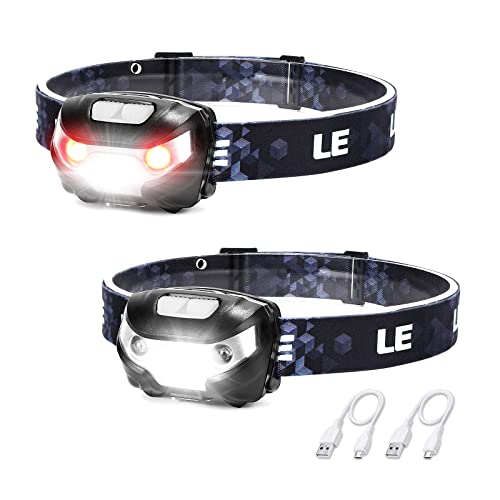
- XPE LED technology, illuminating up to 500FT/150m
- USB Rechargeable Headlamp
- Multi-Mode for All Scenarios
- Adjustable Headband & Lightweight
- Waterproof and Shockproof, Built to Last
✅ Sunglasses & Sunscreen
It gets really sunny, and even when it’s cloudy you still need protection from the sun, especially at the high altitudes in the park. I use Badger sunscreen because it’s reef safe and only has 4 ingredients!
✅ Clothing & Rain Gear
Make sure to dress in layers for changing weather conditions. Bring a rain jacket, hat, gloves, and extra socks.
✅ Food and Water
HydraPak: This 3L water pouch fits in your backpack, and has a straw so you can drink as you hike without ever picking up a water bottle! It’s a favorite among hikers and comes with a more than lifetime guarantee.
Collapsible Water Bottle: This bottle is perfect for hiking because it’s collapsible (and BPA-free)!
Protein Powder: Protein is really important when you’re outdoors and hiking. It can help you have more energy and, along with hydration, help to protect from altitude sickness. Protein powder is easy to carry and mix with water when needed.
Salmon Jerky: I don’t usually eat jerky because it’s so tough, but this one isn’t tough at all, plus it’s really healthy.
Mini Clif Bars: These have been amazing for when I get hungry and there’s no food around.
✅ Pocketknife
A pocketknife is a great tool to bring when hiking and camping for multiple needs you might have. This one is top-rated:
Buy this top-rated pocketknife
✅ First Aid Kit
It’s definitely a good idea to bring a first aid kit when going hiking, camping and exploring outdoors. This one is small, easy to pack and waterproof.
✅ Altitude sickness gear
The only real way to cure altitude sickness is to go back to low altitudes. However, you can help to prevent it by drinking electrolytes, staying properly hydrated and eating enough, and keeping the sun from directly hitting you.
Buy Liquid I.V. Hydration Multiplier Packets Here
✅ Waterproof Daypack
This daypack packs into a small pouch for a daypack that can get dirty, or as a backup – the camera insert case I listed above fits in here as well!

Buy the waterproof, lightweight daypack here
📸 Photography Gear for cameras and/or phones for RMNP Photo Locations
✅ Durable camera strap or clip
Check out recommendations for The Top 5 Best Camera Straps For Backpacking Here!
📸 Best Camera Straps For Backpacking
✅ Circular Polarizer
A Circular Polarizer like this one will help you get better photos, especially of lake reflections. They keep the sun from being too strong, and allow you to capture the reflections and the bottom of the lake better! Make sure you get the proper size for your lens.

- Circular polarizer--one of the most popular special-effect filters
- Deepens the intensity of blue skies; reduces or eliminates glare
- Multi-coating reduces reflection
✅ Remote Shutter
A Remote Shutter, like this one for Canon cameras, will help you take photos when the light is low, like at sunrise or night photos, without touching the camera – when you’re using long exposure, this helps you not move the camera.

- Compatibility with a lot of cameras (be sure to check for yours)
- Works at 2.4GHz frequency with 16 available channels
- Reduces camera shake
- 5 Shooting Modes
👉 Here’s a remote shutter (2-pack) for smartphones:

- Seamless Selfies and Steady Shots - Compatible with Social Media Apps
- Pocket-Sized Convenience
- Operational range of up to 30 feet (10 meters)
✅ Zoom lens and Wide-angle lens
Wide-angle lenses are great for capturing landscapes, especially at a place like Rocky Mountain National Park because sometimes, you just can’t capture everything without it! A zoom lens is needed to get close-ups of wildlife or flowers.
For wide-angle, I use and recommend the Canon EF 16-35mm Wide-Angle Zoom Lens.

- Make sure this fits by entering your model number
- Full-time manual focus permits critical focusing precision, even in AF mode. Help provide excellent color balance
- Rounded 9-Blade Diaphragm
- Dual Pixel CMOS AF covers Approx. 100% Area with 1,053 AF Areas
✅ Camera Cleaning Kit
This Altura Photo Professional Camera Cleaning Kit is a great choice for a high-quality kit for your camera and lens!

- Absorbs and sweeps away invisible particles and smudges
- Compatible with APS-C sensors
- Uses the power of nature to clean without leaving streaks or blemishes
- Safe for all electronics, coated lenses and sensors
- Comes in a convenient travel case
✅ Memory Cards
I use SanDisk Extreme Pro Memory Cards with my DSLR because they prevent issues. It’s always good to bring backup memory cards, too!

- Beginner-friendly with room for growth
- Best for taking more photos & video
- Temperature Proof, Water Proof, Shock Proof & X-ray Proof
- Affordability
✅ 4-In-One Travel Tripod
This 4-In-One Travel Tripod works for cameras, smartphones and doubles as a selfie stick, monopod and as trekking poles! Made with durable and lightweight (2.8 lbs.) aluminum alloy, and it’s super affordable.

- Beginner-friendly with room for growth
- Works with smartphones & cameras
- Folds up small & lightweight
- Turns into a selfie stick & trekking poles
- Comes with a carrying case
- Affordability
✅ Portable chargers/power bank
This durable Solar-Charger-Power-Bank has 36800mAh, QC3.0 with dual USB ports, a built-in LED flashlight and a Compass for all smartphone and electronic devices. It’s perfect for hiking and outdoor activities!
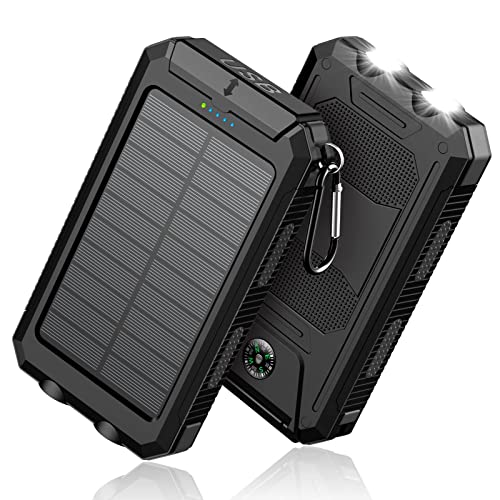
- 36800mAh large cell capacity
- Mainly charged via USB, but can also be charged via built-in solar panel
- Equipped with 2 super bright LED headlight flashlights
- Compatible most of electronic products and equipment on the market
✅ Portable External Hard Drive
Seagate is one of the best Portable External Hard Drive brands, and they hold up well – plus, this one is 2TB so it’ll last awhile!

- Easily store and access content on the go
- Designed to work with Windows or Mac
- To get set up, connect the portable hard drive to a computer for automatic recognition - no software required
- Plug and play simplicity with included 18 inch USB 3.0 cable
✅ Camera and phone waterproof gear
Because of the rain, wind and snow, waterproof gear for cameras and smartphones is a great idea to bring with you.
Waterproof housing (which is camera-specific) and/or a rain sleeve is the best way to protect your camera from unexpected rain.
📷 Get this DSLR Mirrorless Camera Rain Cover Sleeve
Camera case insert bag: It’s water-resistant, and it fits into any backpack or bag! I use this to switch between my carry-on backpack and day pack.

- You can use your existing bags (this goes inside)!
- Easy to swap between a carry-on & daypack for travel
- Waterproof
- Versatility (moveable inserts + multiple sizes available)
- Affordability
The BEASTEK Waterproof iPhone case is amazing for keeping water out of your phone.

- Waterproof design tested to withstand submerging 6.6ft/1h for 1000 times
- Shockproof design proven through 6.6ft/2m drops for 1000 times
- All-Environment Assurance
✅ Camera Insurance
If you’re going to be taking your camera and gear into the water, or doing other sports, you may want to spring for insurance. Companies like Progressive and Nationwide offer insurance for cameras and photography businesses.

What to Consider for Photography in Rocky Mountain National Park
👉 Safety and preparation. Please, please know what safety precautions to take before you explore the park! Here’s where to read up on all you need to know for every season.
👉 Time of day and lighting. For sunrise, sunset and night photos, bring your tripod and remote shutter. Make sure to pay attention to ISO settings as well and keep them low enough for the lighting. You can also bring a circular polarizer for the best lake reflection photos.
👉 Wildlife Photography Tips. Don’t approach wildlife – instead, use at least a 400mm lens to zoom for photos. Not only is it against the park rules to approach wildlife, but it’s also unsafe. You can also get amazing photos of animals in their environment with less than 400mm zoom. Study up on animals and how they interact and move to anticipate when to take photos of them.
👉 Nature First. Make sure to remember where you are and protect your safety, and the environment, over all else. Be careful not to cause damage to the landscape, especially the protected tundra, which can take hundreds of years to recover. Also be safe around the wildlife and know the park rules.

FAQs: Best Photo Spots In Rocky Mountain National Park
👉 Where can I take pictures in Rocky Mountain National Park?
You can take pictures basically anywhere in Rocky Mountain National Park, but seasonality can affect road closures and safety areas. Read this post for more info, photo spots for each season and resources!
👉 What is the most photographed place in Rocky Mountain National Park?
Dream Lake is probably the most photographed place in Rocky Mountain National Park, Colorado because of its iconic view of the Hallett Peak cliff in the background and the alpenglow that lights up the peaks.
👉 Do you need a permit to take photos in Rocky Mountain National Park?
Most photographers do not need a permit to take photos in Rocky Mountain National Park. Only professional photographers and film crews, and some other photographers, need permits for various purposes. Read the official photography rules here.
👉 Where is the best view of the Rocky Mountains?
You can get the best views of the Rocky Mountains from Trail Ridge Road, Chasm Lake, Gore Range Road overlook, Rainbow Overlook or Hallett Peak, among others in Rocky Mountain National Park.

All In All: Top Photo Locations In Rocky Mountain National Park
I hope this guide helps you find all the best locations for every kind of photography in Rocky Mountain National Park, plus preparation for what to bring and what to know in advance!
Check out these related posts for more:
📸 The 18 Best Photography Spots In Colorado Springs (With Map)
📸 The 53 Best Denver Photography Spots (With Map)
📸 5 Best DSLR Cameras Under $300
For more Western US places to photograph, check out the 39 Best Photography Spots In Southern California, The 67 Best San Jose Photography Spots, and see more US places here!
